
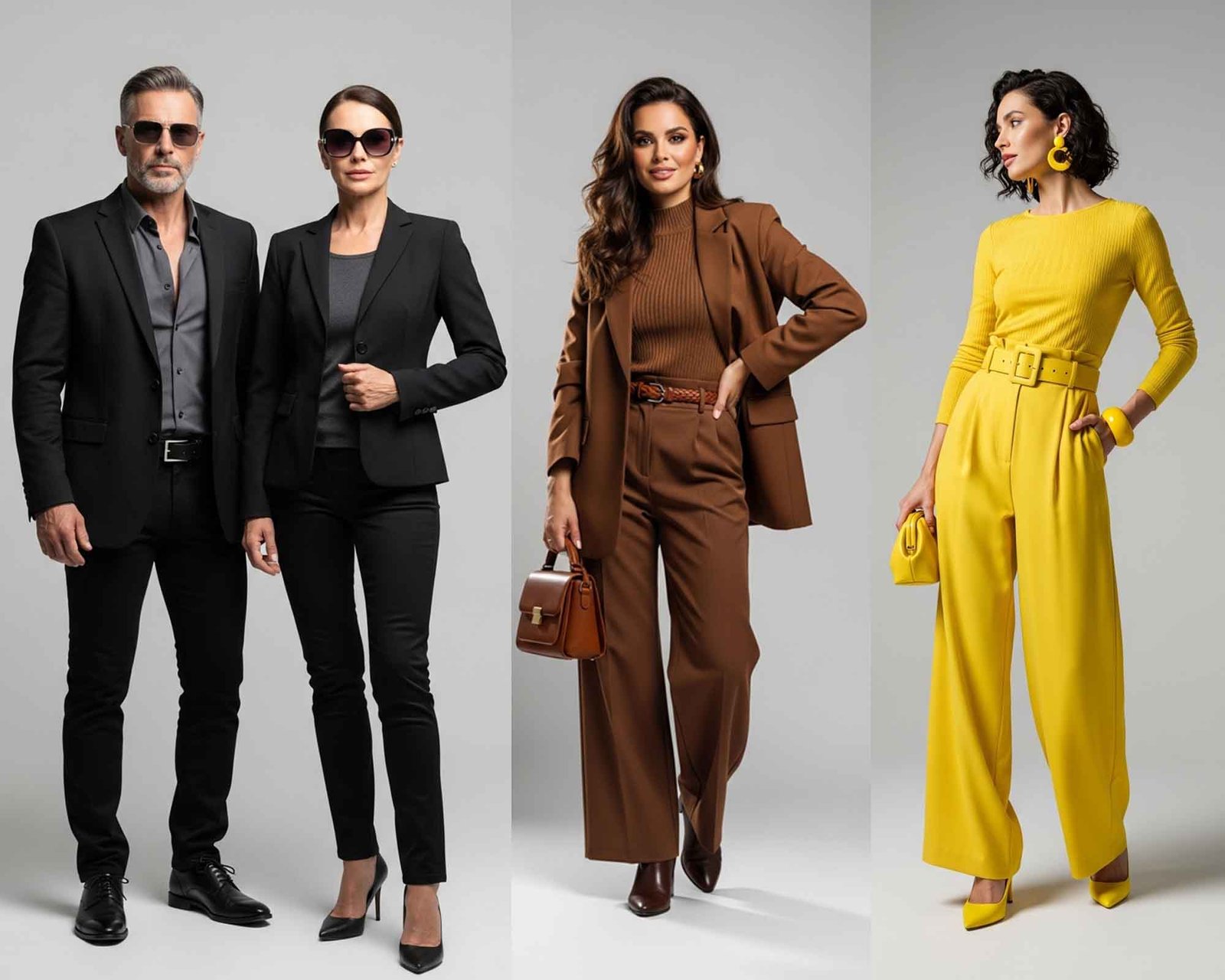
Fashion’s biggest trend for 2026 is refreshingly simple: wear one color from head to toe. Monochromatic dressing is dominating runways and street style, proving that the most powerful statement often comes from committing to a single hue.
From Toteme’s black-and-white Spring 2026 collection to stylists embracing burgundy and chocolate brown, this trend shows that sophisticated style doesn’t require pattern mixing or color coordination—just intentional, single-color choices.
What Is Monochromatic Dressing?
Monochromatic dressing means wearing one color—or varying shades of the same color family—from head to toe. This can be any color: black, white, red, blue, green, pink, brown, purple, or yellow.
The key? You don’t need exact shade matching. Mix light blue with navy, pale pink with hot pink, or cream with chocolate—as long as you stay within one color family, you’re creating a monochromatic look.
Why It’s Trending in 2026
Fashion has shifted from chaotic pattern mixing to refined, intentional styling. Stylists note that monochromatic looks—especially in burgundy and chocolate brown—feel chic, sophisticated, and timeless while still being incredibly modern.
Monochromatic dressing simplifies wardrobe choices while ensuring you always look polished and put-together.
"Monochromatic dressing is the ultimate power move: one color, endless confidence, zero overthinking.."
The Most Popular Colors for 2026
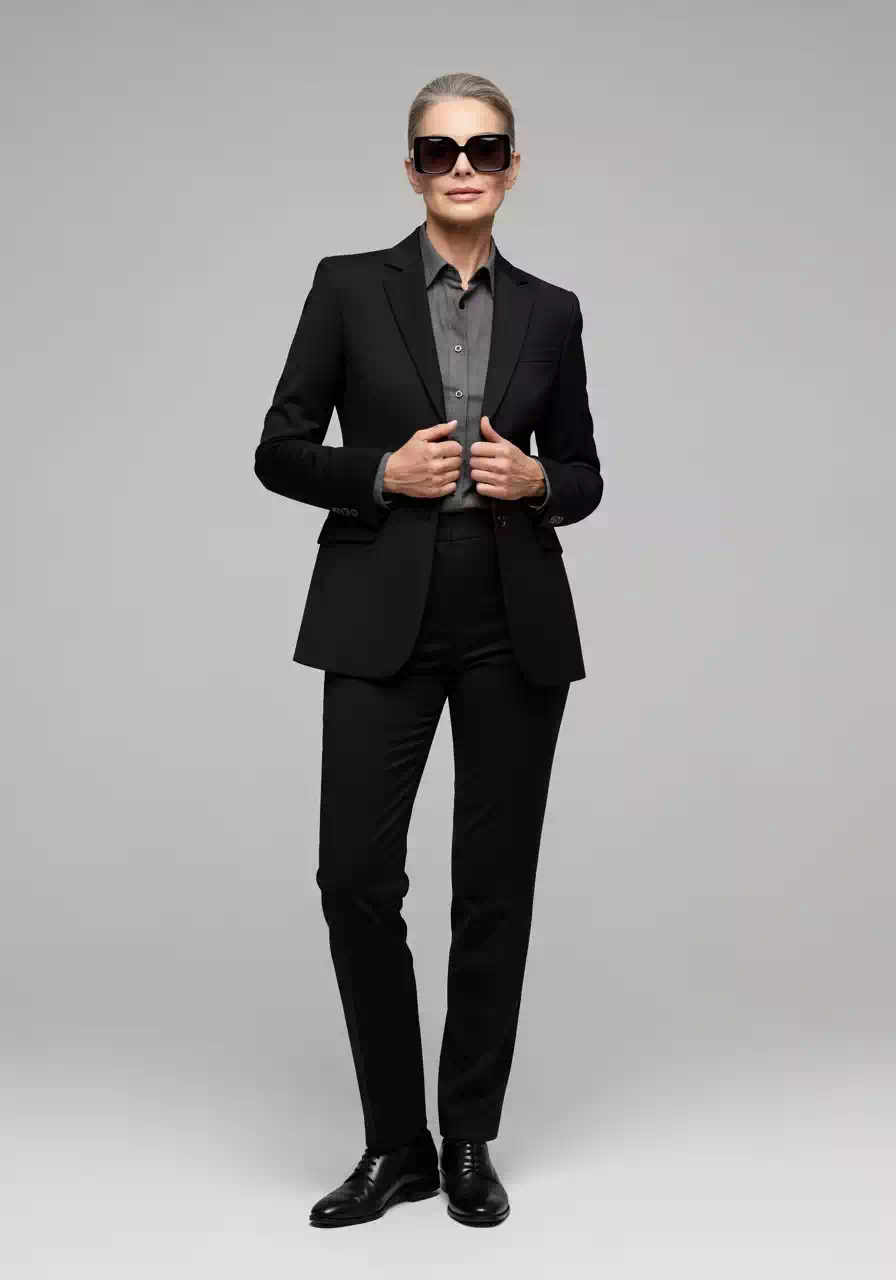
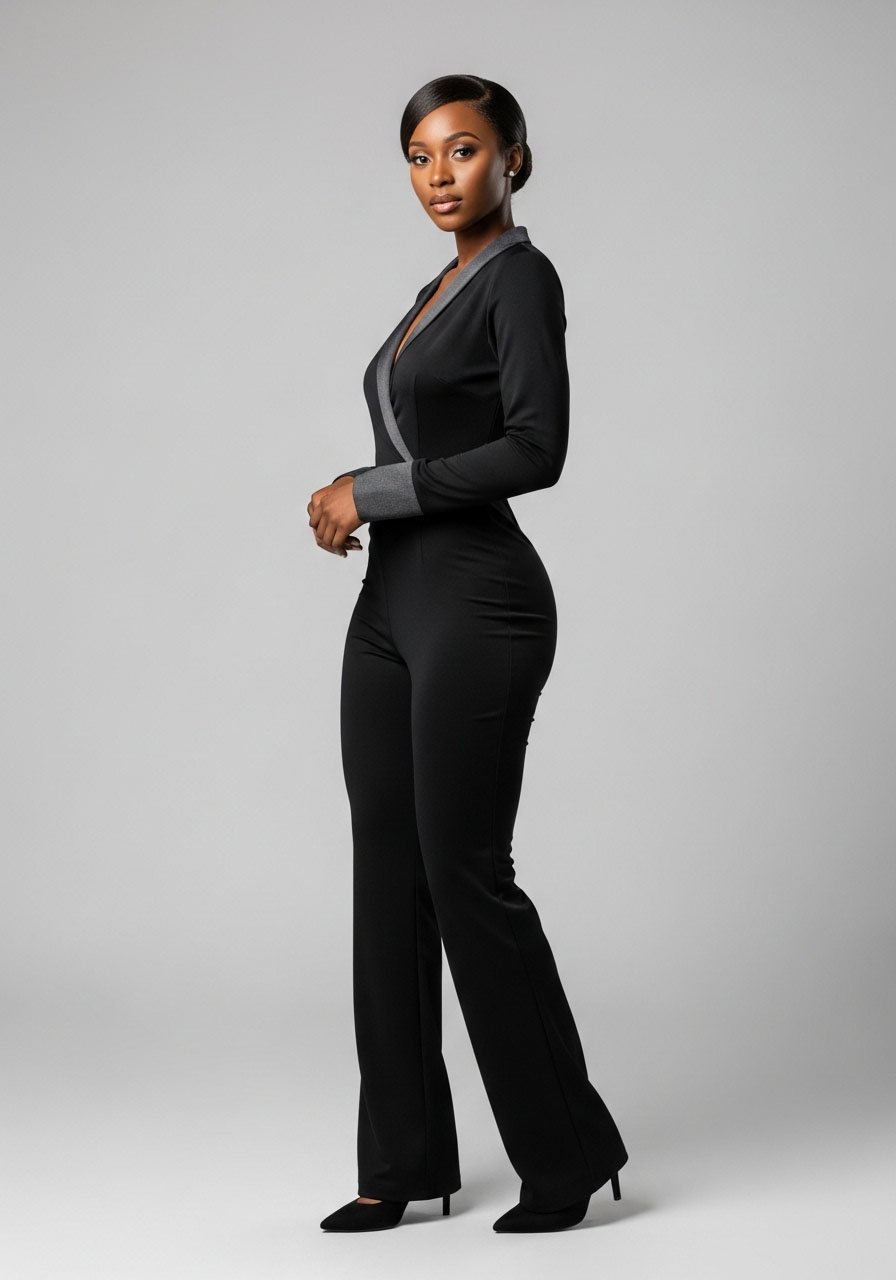
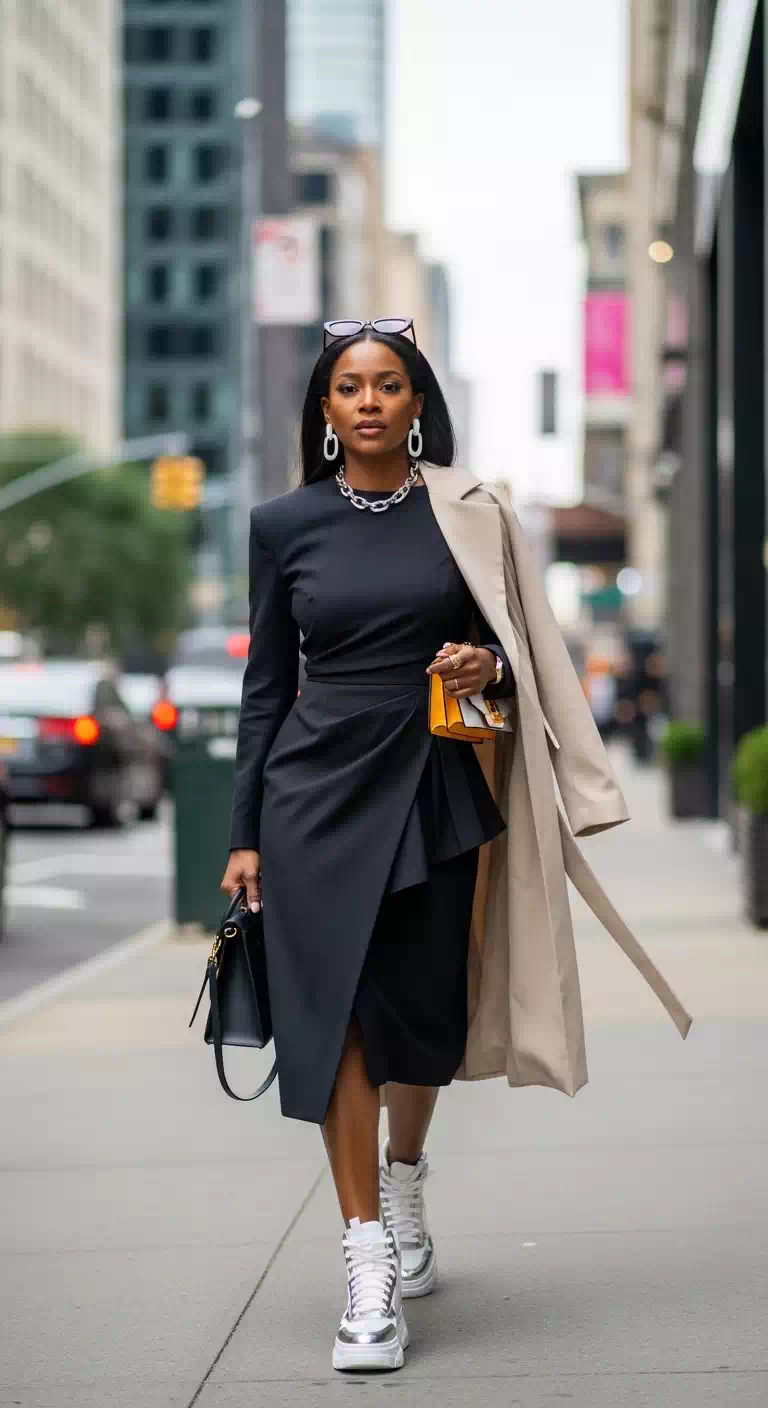
Black: Timeless, powerful, endlessly versatile. Perfect for office suits or casual weekend looks.
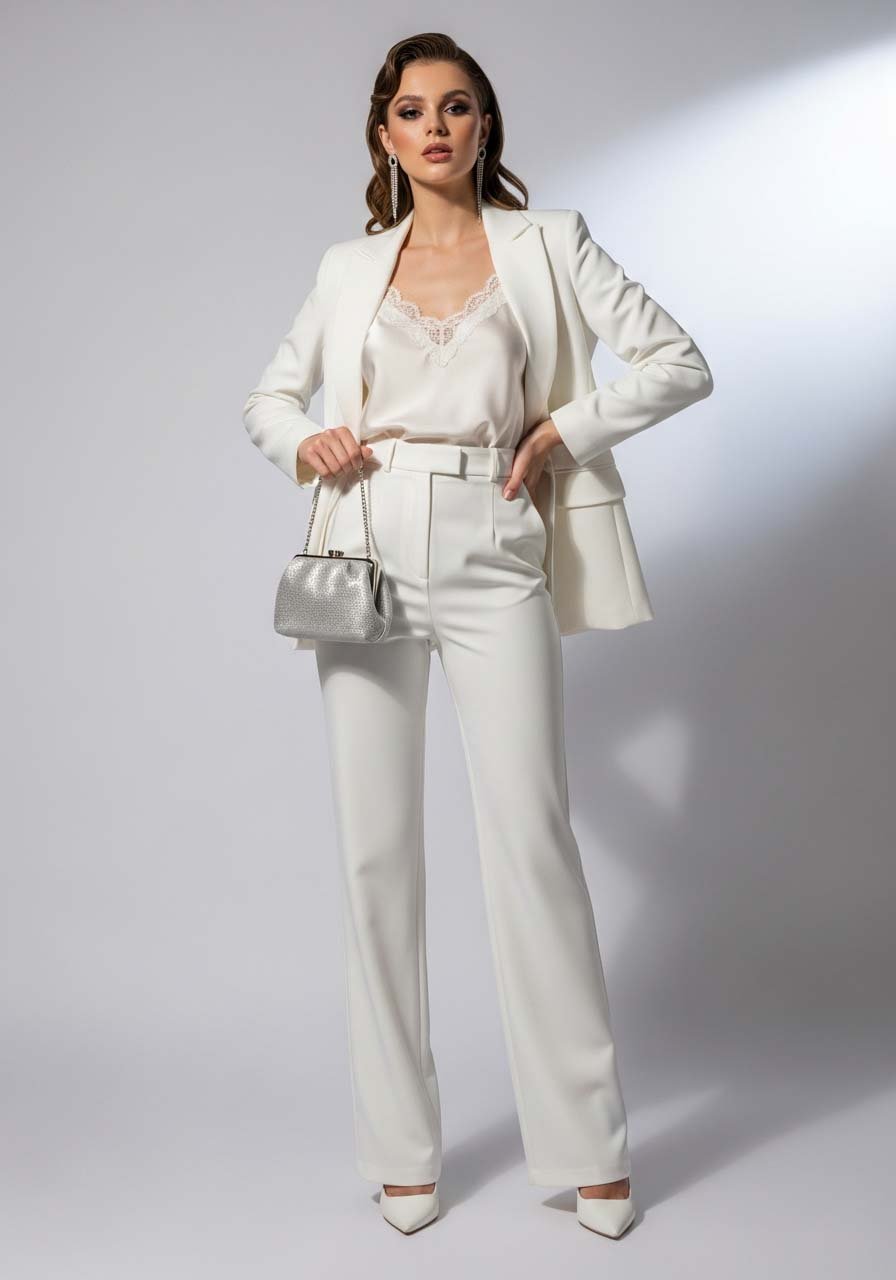
White: Pure elegance that radiates confidence. Fashion editors call it the ultimate “rich” look.
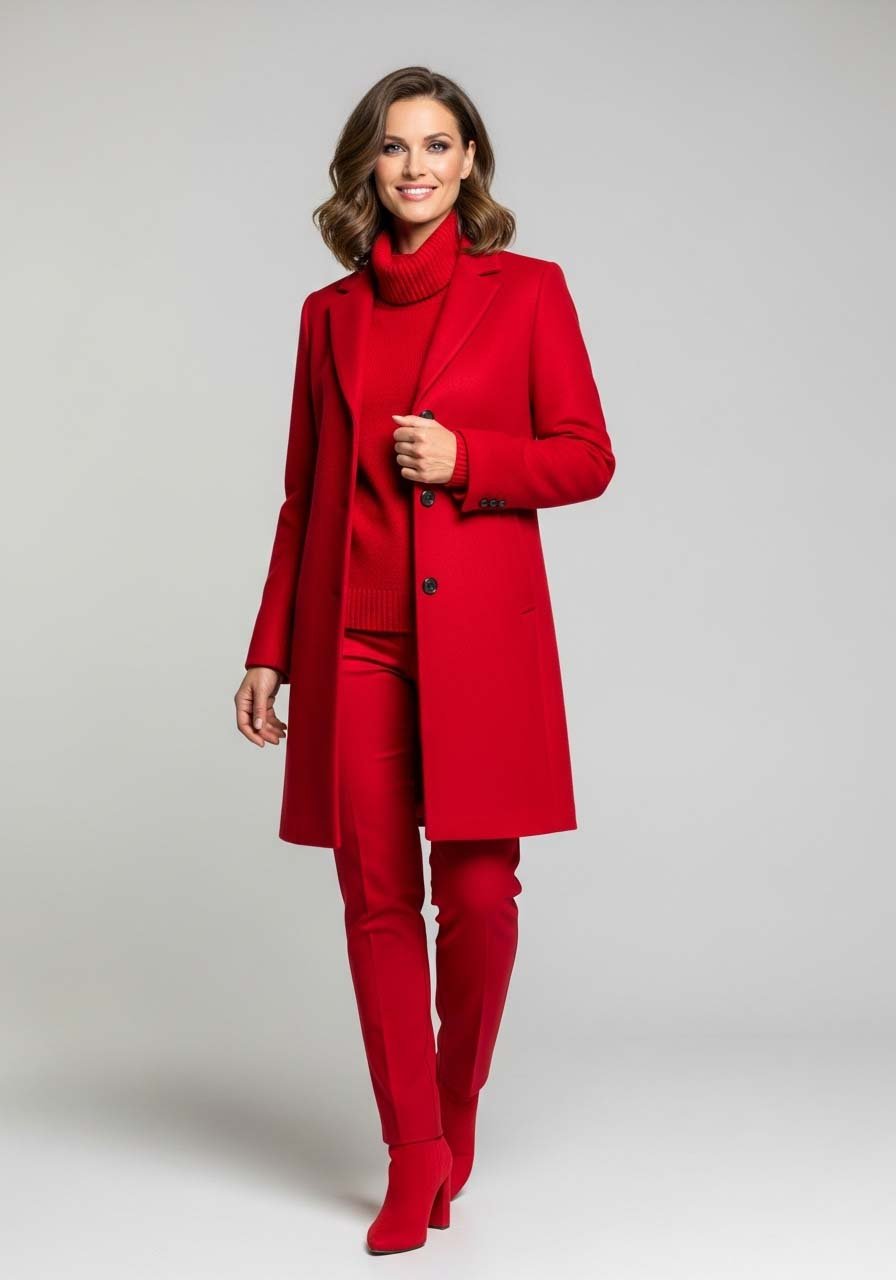
Burgundy/Wine: 2026’s breakout color. Sophisticated and luxurious, perfect for fall and winter.
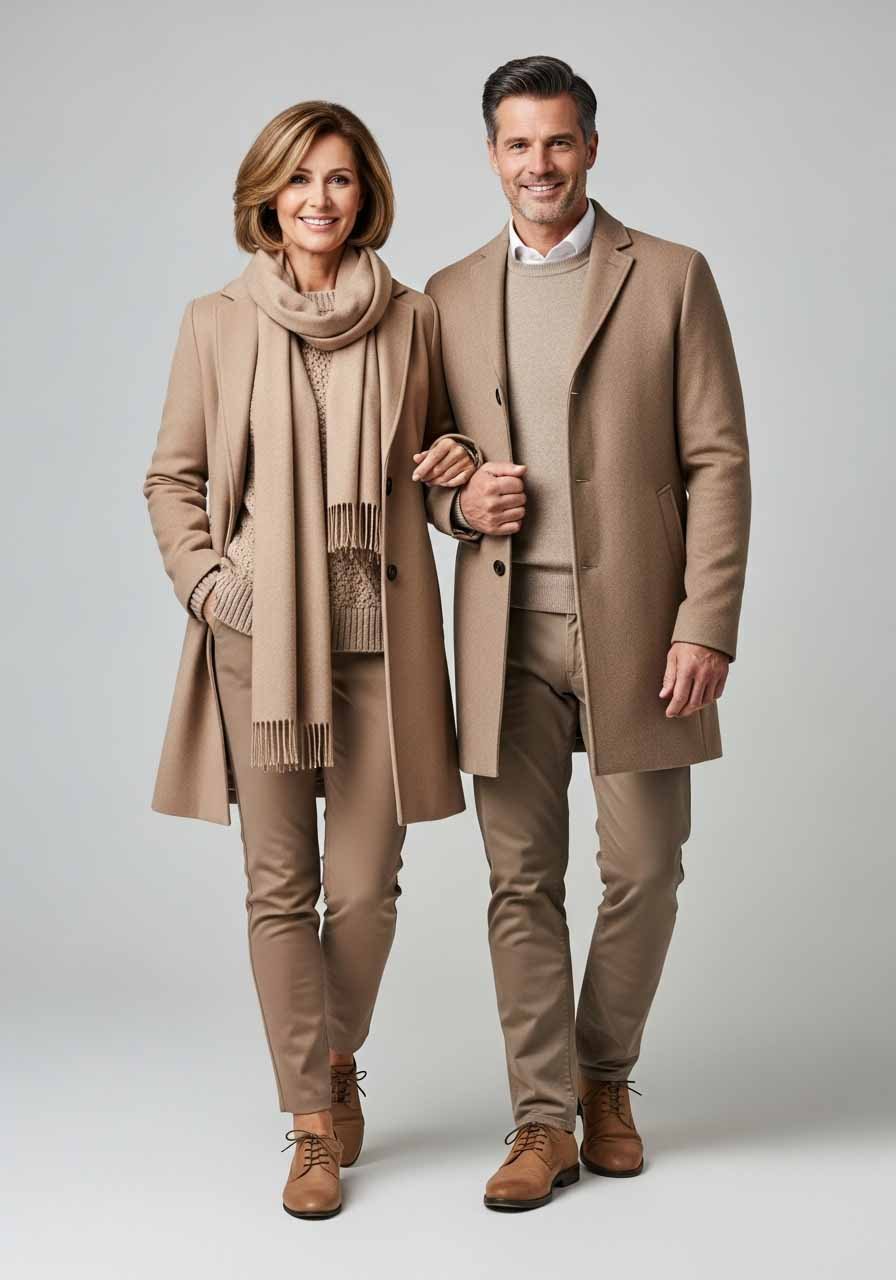
Chocolate Brown: Warm, grounded, and effortlessly expensive-looking.
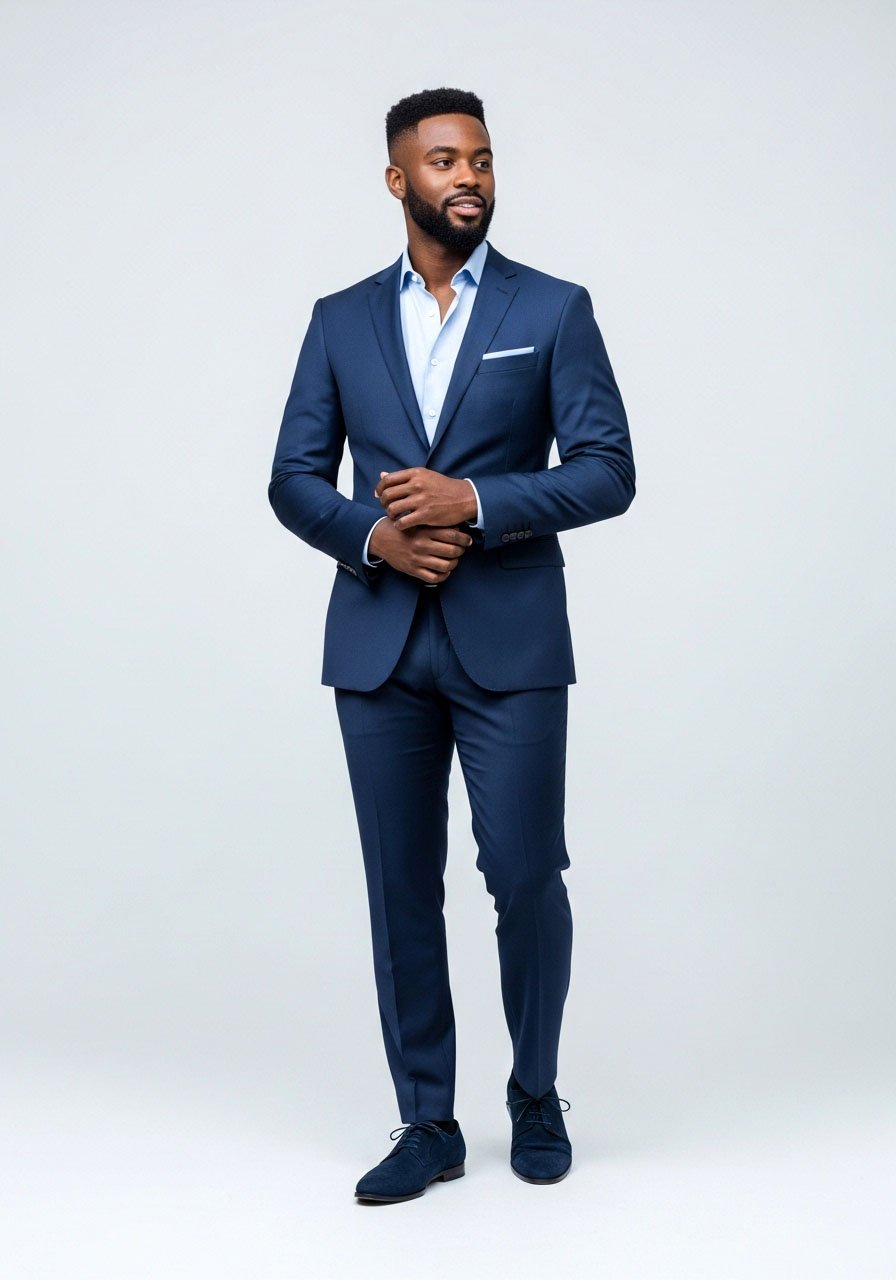
Navy: Professional polish without the starkness of black.
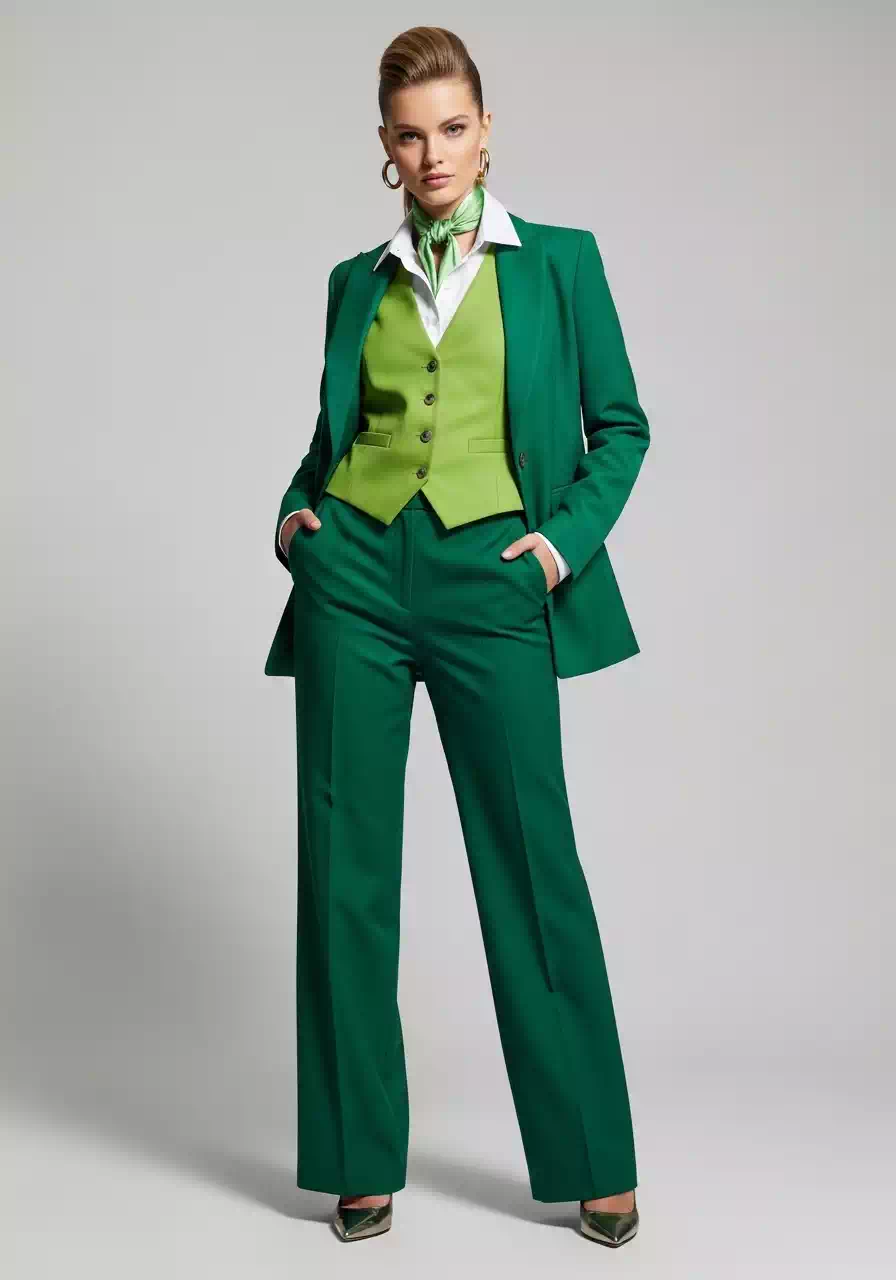
Emerald Green: Bold, fresh, and energizing for statement-makers.
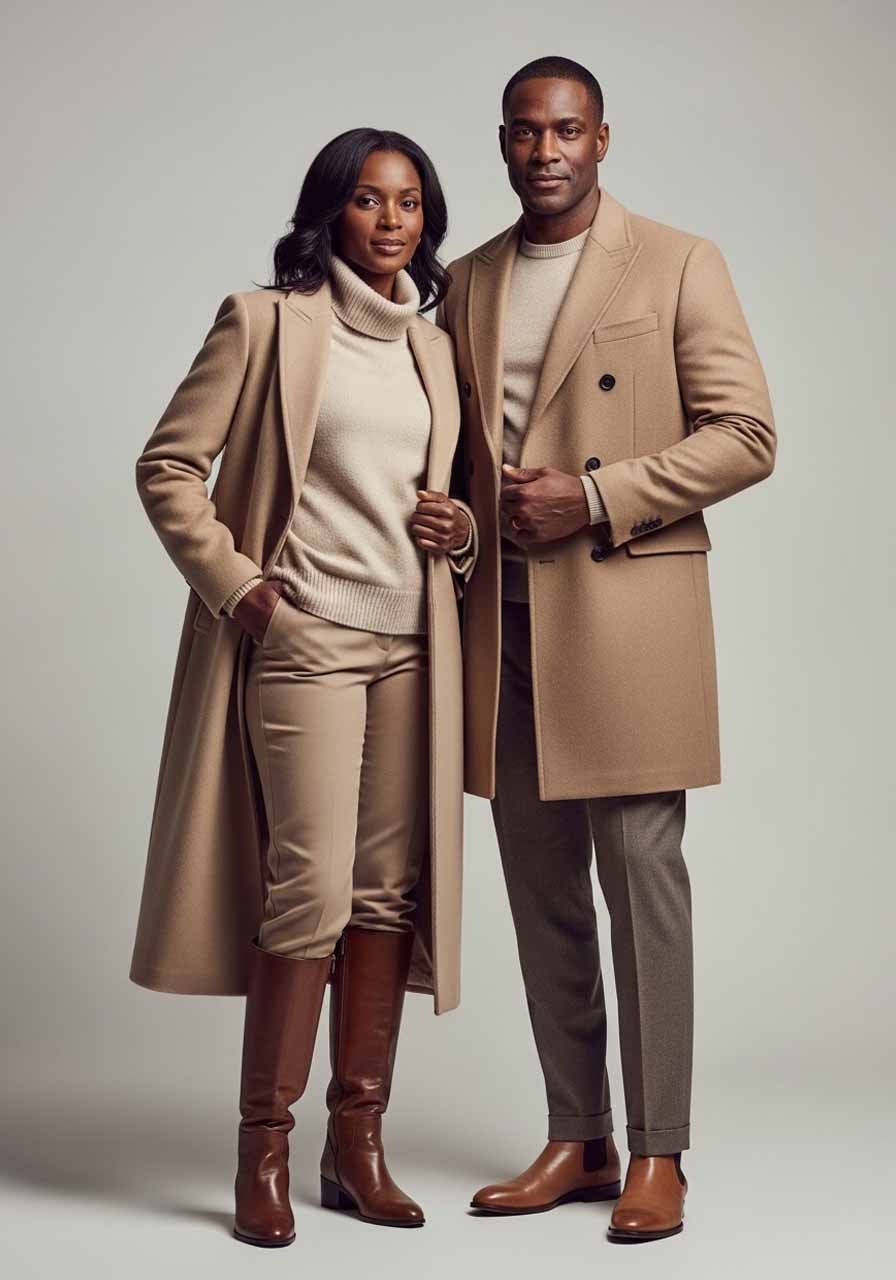
Beige/Camel: The “quiet luxury” aesthetic. Versatile and timeless.
Blush Pink: Feminine and modern without being overly sweet.
Bright Red: Fearless and confident—predicted to surge in popularity.
1. Mix Different Shades
Don’t match everything exactly. Combine lighter and darker tones within the same color family to create depth and prevent a flat, costume-like appearance.
2. Play With Textures
The secret to elevated monochrome? Mix fabrics. Pair velvet with cotton, leather with silk, or denim with cashmere. Different textures create visual interest even in one color.
3. Vary Your Fabrics
A wool coat over a cotton turtleneck and linen pants—all in the same color—creates dimension through material variation.
4. Accessorize Smartly
Keep accessories within your color family, or add subtle contrast with metallic accents (gold, silver, rose gold).
5. Perfect Your Fit
Tailoring is crucial. Well-fitted pieces ensure your monochromatic look feels intentional and polished, not thrown together.
Quick Outfit Ideas by Color
All Black: Black suit + charcoal accessories + black heels (office) OR black jeans + leather jacket + black sneakers (weekend)
All White: White linen pants + ivory tank + cream blazer (summer) OR cream wool trousers + white cashmere + ivory coat (winter)
Burgundy: Wine trousers + burgundy silk blouse + deep red blazer + oxblood boots
Navy: Navy suit + chambray shirt + dark blue accessories (professional) OR navy jeans + denim shirt + blazer (casual)
Emerald: Emerald pants + olive silk top + forest green coat + dark green heels
Beige: Camel trousers + tan turtleneck + beige trench + nude heels
Pink: Blush trousers + dusty rose blouse + pink blazer + nude heels
Red: Red trousers + crimson blouse + burgundy blazer + red heels
Common Mistakes to Avoid
Too Matchy-Matchy: Exact shade matching looks flat. Vary your tones.
Ignoring Texture: Without varied fabrics, monochrome can look boring.
Poor Fit: Ill-fitting clothes are more noticeable in single-color outfits.
Forgetting Undertones: Mix cool-toned and warm-toned shades carefully—they don’t always play well together.
Tips for Beginners
Starting your monochromatic journey? Try these:
- Begin with neutrals: Black, white, navy, or beige are easiest
- Start simple: Match just pants and top before adding layers
- Shop your closet: You likely own multiple items in the same color
- Add one neutral: If full monochrome feels bold, add nude shoes or a black belt
- Choose your favorite color: You’ll wear it more confidently
The Psychology of Color
Your monochromatic color choice affects how you feel and what you project:
- Black: Power and sophistication
- White: Confidence and freshness
- Red: Energy and boldness
- Blue: Calm and professionalism
- Green: Balance and harmony
- Brown: Warmth and stability
- Pink: Playfulness and femininity
Building Your Monochromatic Wardrobe
Choose 2-3 color families you love, then collect these basics in each:
- Tailored trousers
- Blazer
- Sweater or turtleneck
- Button-down shirt
- Jeans or casual pants
- Dress
- Coat
- Shoes and bag
With these essentials, you can create dozens of monochromatic outfits by mixing within each color family.
Final Thoughts
Monochromatic dressing in 2026 is fashion at its most refined. Whether you choose classic black, embrace rich burgundy, or make bold statements in emerald or red, single-color styling simplifies your wardrobe while elevating your look.
Fashion rewards intentionality—not about having everything, but having the right things in colors you love and wearing them with purpose. Monochromatic dressing works for every color, every season, and every personal style.
Ready to try it? Start with one monochromatic outfit this week in your favorite color and experience the power of intentional, single-color dressing.


Great tips! I’ve just discovered your Youtube channel, and I love it! Thanks for sharing your content and the day and life of a designer.
I love reading your blogs and watching your videos. I am really impressed by the way you are doing business and I am just inspired by it!
I’ve just discovered your Youtube channel, and I love it! Thanks for sharing your content and the day and life of a designer! Great tips!