
Introduction: Your Closet is a Goldmine (Really)
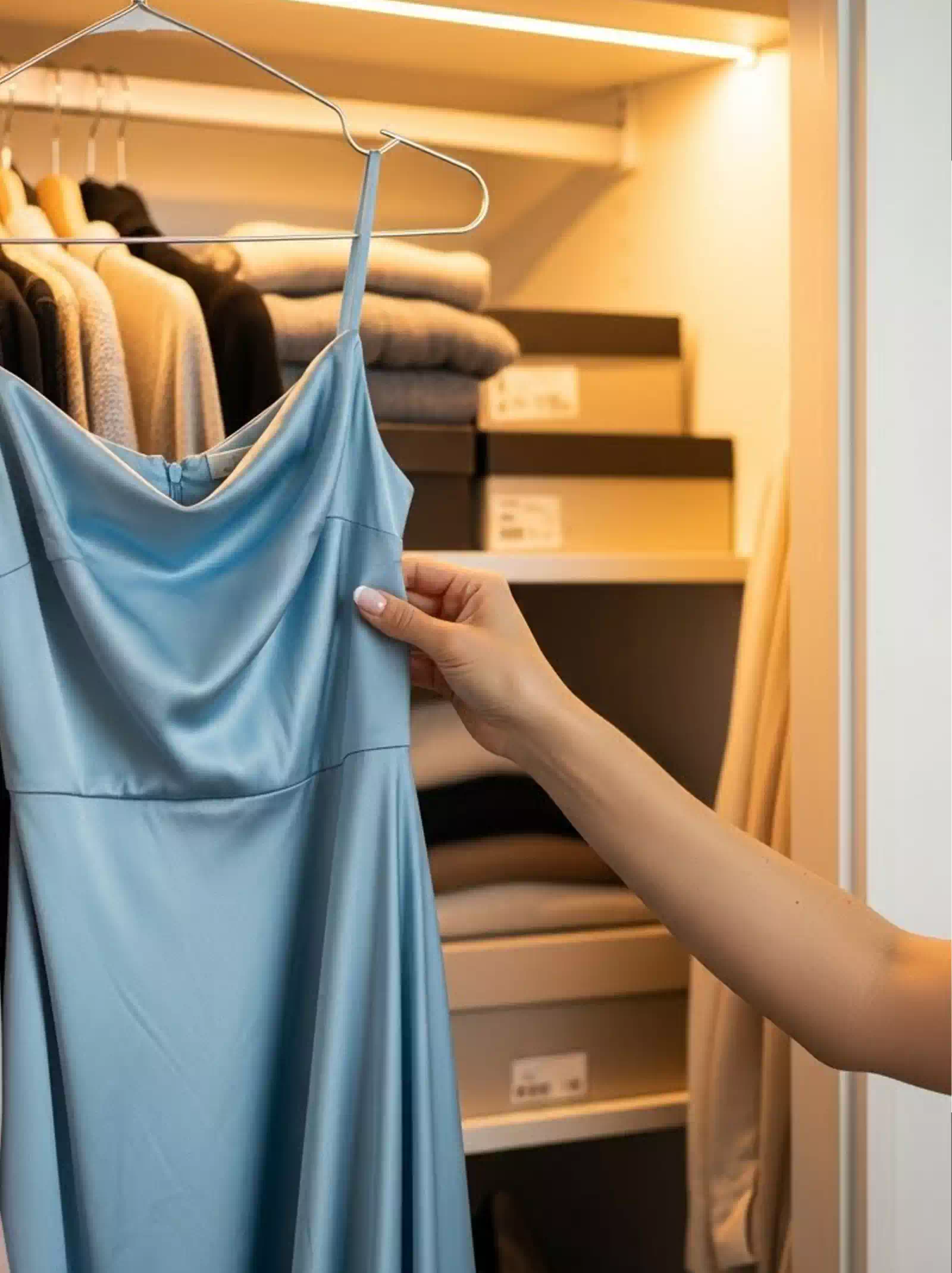
Let’s be honest: that feeling of staring into a stuffed closet and thinking “I have nothing to wear” is all too real. But what if that pile of “nothing” is actually a hidden stream of income? In 2026, selling your pre-loved clothes online isn’t just a side hustle—it’s a smart, sustainable way to clear space, make money, and participate in the booming circular fashion economy.
This guide isn’t about turning you into a full-time reseller. It’s for anyone who wants to declutter with purpose. We’ll cut through the overwhelm and give you a clear, step-by-step roadmap to transform your gently worn pieces into cash, without the stress. Think of it as a modern-day treasure hunt in your own wardrobe.
reviewed
About Organic CBD Skincare
The journey to creative inspiration can be an infinitely fulfilling one. When we are in alignment and our creativity is flowing, it seems as if all the world is opening up to us and revealing its beauty.
Step 1: The Mindset & The Sort (Your Foundation)
Before you snap a single photo, start with the right mindset. Selling online is a transaction of trust. Your goal is to present your items not as cast-offs, but as valuable finds for their next owner.
The Golden Sorting Rules:
The 1-Year Test: Haven’t worn it in a year? It’s likely a sell.
The Condition Check: Be brutally honest. Separate items into three piles:
Sell Pile: In excellent, like-new, or very good condition. No major stains, pulls, or damage.
Repair/Mend Pile: Has minor, fixable issues (a loose button, small hem tear). Fix these first.
Recycle/Donate Pile: Items with significant wear, stains, or damage. Be realistic—selling damaged goods hurts your reputation.
Pro Tip: Start with 5-10 of your best items. This lets you learn the process without getting overwhelmed.
Step 2: Choosing Your Selling Platform (Find Your Stage)
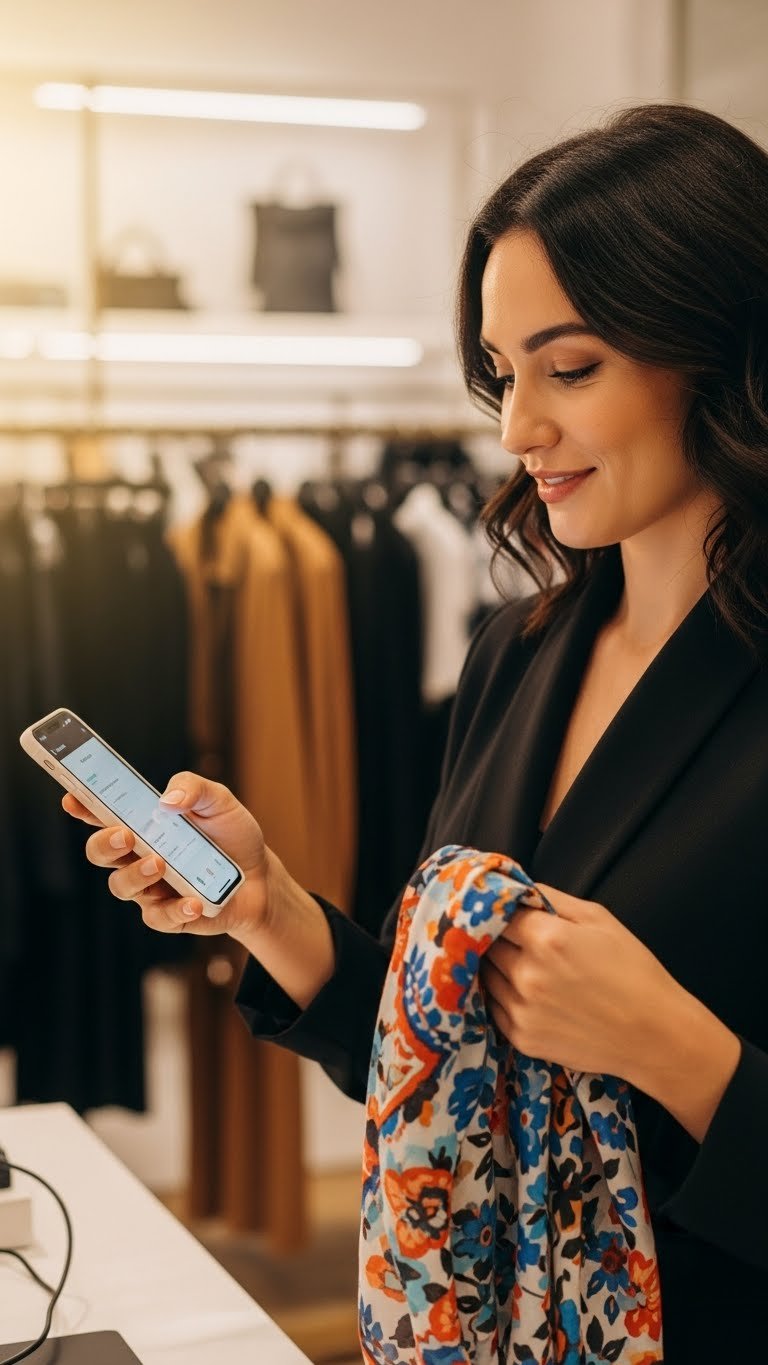
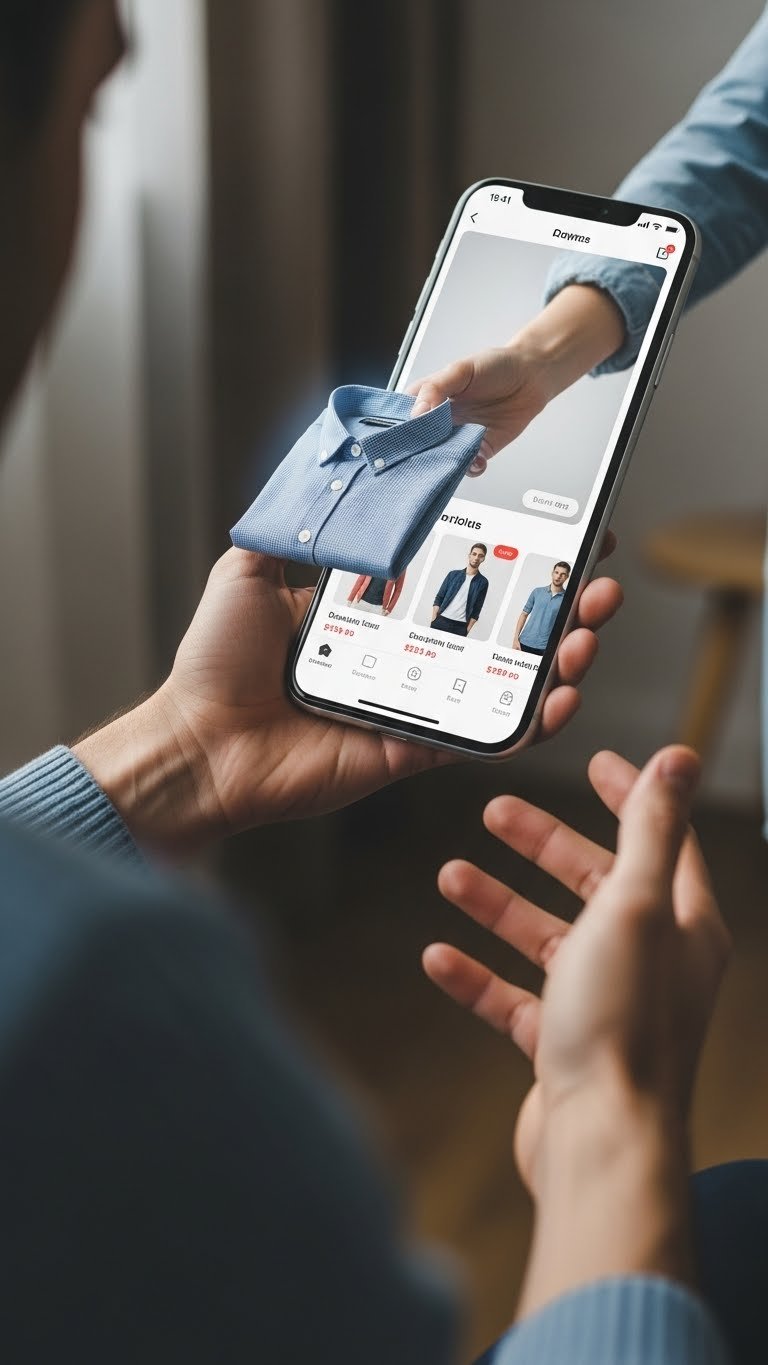
Where you sell is as important as what you sell. Each platform has a distinct personality and audience. Picking the right one is like choosing the right stage for your performance—it determines who sees your items and how they’re perceived.
Here’s a breakdown of the major players to help you match your closet to its perfect platform:
For a Social, Beginner-Friendly Experience: Vinted
Think of Vinted as the friendly neighborhood market of online selling. It’s incredibly user-friendly, with minimal to no seller fees (the buyer typically covers a small service fee). The vibe is social and low-pressure, making it ideal for selling high-street and contemporary mall brands like Zara, H&M, J.Crew, and Free People. Success here comes from clean photos, honest descriptions, and being responsive to messages.
For the Trendy, Curated Vibe: Depop
Depop is less of a marketplace and more of a creative community. It’s highly visual, driven by trends, and has a strong Gen Z and millennial user base. This is the go-to platform for vintage treasures, Y2K fashion, unique streetwear, and statement pieces. Depop charges a 10% fee on the sale price plus payment processing. To thrive, you need an eye for aesthetics—styled flat-lays, smart try-on photos, and the strategic use of relevant hashtags are key.
For the Broadest Audience & Premium Brands: eBay
eBay is the granddaddy of online marketplaces, offering access to a massive, global audience. Its search-engine-like functionality makes it the best platform for higher-end branded items, specific sneakers, premium outdoor gear, and authenticated designer goods. The fee structure is more complex (a final value fee of around 12.9% plus payment processing), but the reach is unmatched. Success requires detailed, keyword-rich titles and descriptions, competitive pricing, and understanding how to run auctions or “Buy It Now” listings.
For Hyper-Local, Quick Cash Sales: Facebook Marketplace
If you want to avoid shipping altogether and turn items into cash fast, Facebook Marketplace is your tool. It’s perfect for selling bulky items like winter coats, furniture, or bundles of basics directly to people in your local area. Listing is usually free. The keys here are speed and safety: respond to inquiries quickly, be clear in your communication, and always arrange to meet buyers in safe, public, well-lit locations during the day.
For the Luxury Consignment Experience: Vestiaire Collective
When you’re selling true luxury—think Chanel, Louis Vuitton, The Row—Vestiaire Collective is the specialized destination. It caters to a premium audience looking for authenticated designer handbags, shoes, and ready-to-wear. The platform operates on a commission model (taking a higher fee), but in return, it provides authentication services and access to buyers specifically seeking investment pieces. Success requires having original receipts or dust bags if possible, providing extreme detail on condition, and presenting items with a professional tone.
The bottom line: Don’t spread yourself too thin at first. Choose one platform that best aligns with the majority of items in your “Sell” pile and master it. You can always expand to others once you’ve built your confidence.
Turning your cluttered closet into a digital storefront isn't just about tidying up; it's about mastering the art of the modern side hustle.
Step 3: The Art of the Listing (Your Virtual Salesperson)
This is where you close the deal. A great listing answers every question a buyer might have before they even ask.
A. Photography That Sells: Your Digital Dressing Room
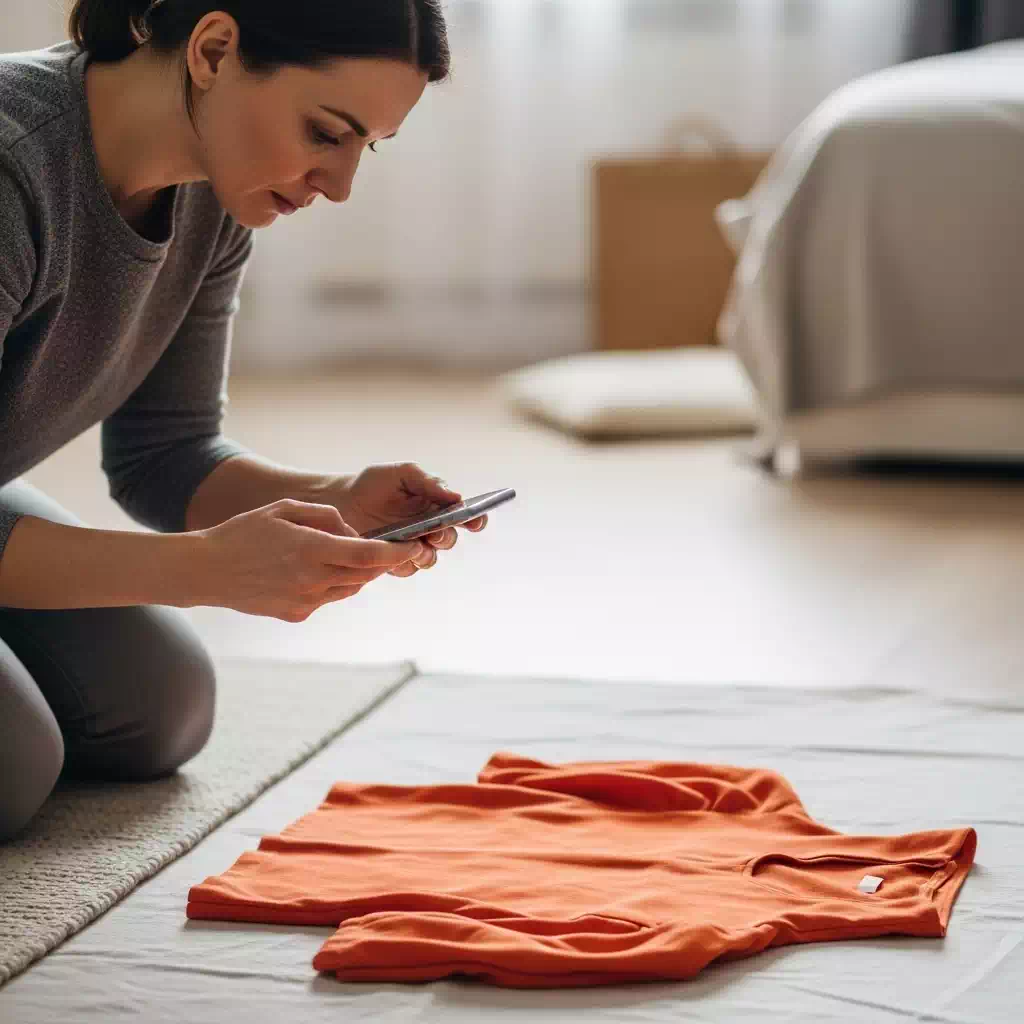
Lighting is Everything: Use bright, natural, indirect daylight. Avoid dark shadows and yellow indoor lighting.
Background: A clean, neutral wall, plain floor, or made bed. Remove clutter.
Angles & Details:
Flat-Lay or Hang: Show the full item neatly.
Front & Back: Always include both.
Close-Ups: Zoom in on fabric texture, labels, unique details, and any fully disclosed minor flaws.
Try-On (Optional but Effective): If comfortable, a try-on photo shows fit and drape. Ensure the background is tidy.
B. The Description That Convinces
Use this checklist in your description:
Title: Brand, item type, key features, color. (e.g., “Anthropologie Odille Blue Floral Midi Dress – Size Small”)
Condition: Use standard terms: NWT (New With Tags), EUC (Excellent Used Condition), GUC (Good Used Condition). Describe any flaws explicitly.
Materials: List fabric content from the label (e.g., “100% Cotton”).
Measurements (CRUCIAL): For tops: pit-to-pit, length. For bottoms: waist, rise, inseam, leg opening. Provide in inches/cm. Sizes vary—measurements don’t lie.
Fit Note: “Runs true to size,” “Fits like a medium,” etc.
C. Pricing It Right
Research: Search the sold listings for the exact same item on your chosen platform to see the real market price.
Price Smart: Price slightly higher to allow for offers, or price firmly at the market rate for a quick sale.
Factor In Costs: Remember platform and payment fees when setting your price.
Step 4: Logistics & Getting Paid (The Safe Exchange)
Shipping Made Simple:
Use Integrated Labels: Platforms like Vinted and Depop provide pre-paid labels. It’s safer and easier.
Package Securely: Use a polymailer or recycled box. Wrap items neatly. A thank-you note is a nice touch.
Proof is Key: Always get a proof of postage/receipt and input the tracking number immediately.
Getting Paid Safely:
ALWAYS use the platform’s official payment system. Never accept bank transfers, PayPal “Friends & Family,” or gift cards as payment outside the app. This is the #1 rule to avoid scams.
Payouts are typically sent to your bank account 1-3 days after the buyer confirms receipt.
Step 5: The Mindset for Success & What to Avoid
Stay Responsive: Answer buyer questions politely and promptly.
Be Honest: Over-disclose flaws. It builds trust and prevents negative reviews and returns.
Don’t Get Discouraged: Some items sell in an hour; some take months. Be patient.
Red Flags to Avoid:
Buyers asking to communicate or pay off-platform.
Overpayment scams (where they send a fake check for too much and ask for a refund).
Unrealistic lowball offers—it’s okay to politely decline or counter.
Conclusion: Declutter Your Closet, Fatten Your Wallet
Selling your old clothes online is a win-win. You reclaim your space, give your garments a second life, and earn money to invest in pieces you’ll truly love. Start this weekend with just one item. Take the photos, write the description, and hit list. You might just discover that your most valuable accessory isn’t in your closet—it’s your ability to see its hidden worth.
Frequently Asked Questions (FAQ)
Here are clear answers to the most common questions people have when starting to sell their clothes online.
Q: Is it really worth selling my old clothes online, or should I just donate them?
A: It depends on your goal. Donating is fast, simple, and charitable. Selling is worth it if you have items in good condition from recognizable brands (even mall brands like J.Crew, Madewell, or Lululemon), unique vintage pieces, or higher-end designer items. If an item retailed for over $50 and is still in great shape, it’s likely a candidate for selling. For basics with significant wear, donation is often the easier, more ethical choice.
Q: I’m overwhelmed. What are the first 3 things I should do?
A: Start small and in this order:
Sort Ruthlessly: Pull out 5-10 items that are in the best condition.
Pick One Platform: Don’t cross-list yet. Start with the platform that best matches your items (e.g., Vinted for contemporary brands, Depop for trendy/vintage).
Master One Listing: Focus all your energy on creating one perfect listing with great photos and a detailed description. This becomes your template for the rest.
Q: What common mistakes do first-time sellers make?
A: The biggest mistakes are:
Bad Photos: Dark, cluttered photos are the #1 reason items don’t sell. Natural light is free and non-negotiable.
Skipping Measurements: Sizes (Small, Medium, 8, 10) are meaningless online because they vary so much by brand. Always provide flat garment measurements in inches or centimeters.
Getting Scammed: Never, ever agree to take payment or communicate outside the app’s official system (e.g., moving to WhatsApp or accepting a Venmo payment off-platform). The in-app systems protect both you and the buyer.
Q: How do I price my items competitively without underselling?
A: Research is key. On your chosen platform, search for the sold listings of the same or a very similar item. See what price they actually sold for (not just what was asked). Price your item within 10-15% of that sold price, factoring in its condition. A good rule of thumb for used, non-designer items is 20-40% of the original retail price, adjusted for condition and demand.
Q: What’s the cheapest and easiest way to ship clothing?
A: The absolute easiest method is to use the pre-paid, integrated shipping labels provided by platforms like Vinted, Depop, and eBay. You pay for the label directly through the platform (often at a discounted commercial rate) and simply print it, attach it to a polymailer (available cheaply in bulk online), and drop it off. For lightweight items like a t-shirt or blouse, this typically costs between $4-$7. Avoid going to the post office to figure out rates on your own.





I love reading your blogs and watching your video. I am really impressed by the way you are doing business and I am just inspired by it!
Thanks so much for the tips both in the blog and on your YouTube channel. As a new Interior Design student, I find them to be incredibly helpful, interesting, and inspirational. Keep up the great work!
Great tips! I’ve just discovered your Youtube channel, and I love it! Thanks for sharing your content and the day and life of a designer.