

Turning 40 is a milestone, but it also marks a shift in how your body processes nutrients. Metabolism slows, hormone levels change, and certain health risks increase. The good news? The right vitamins can help you maintain energy, protect your heart, and support healthy aging.
Here are the five essential vitamins every man over 40 should prioritize—and how to get them naturally.
Why Nutritional Needs Change After 40
After 40, your body doesn’t absorb nutrients as efficiently as it once did. Testosterone levels begin to decline, bone density decreases, and cardiovascular health becomes a greater concern. These changes mean that what worked in your 30s might not be enough now.
Strategic nutrition—especially through key vitamins—can help bridge the gap and keep you feeling strong, energized, and healthy.
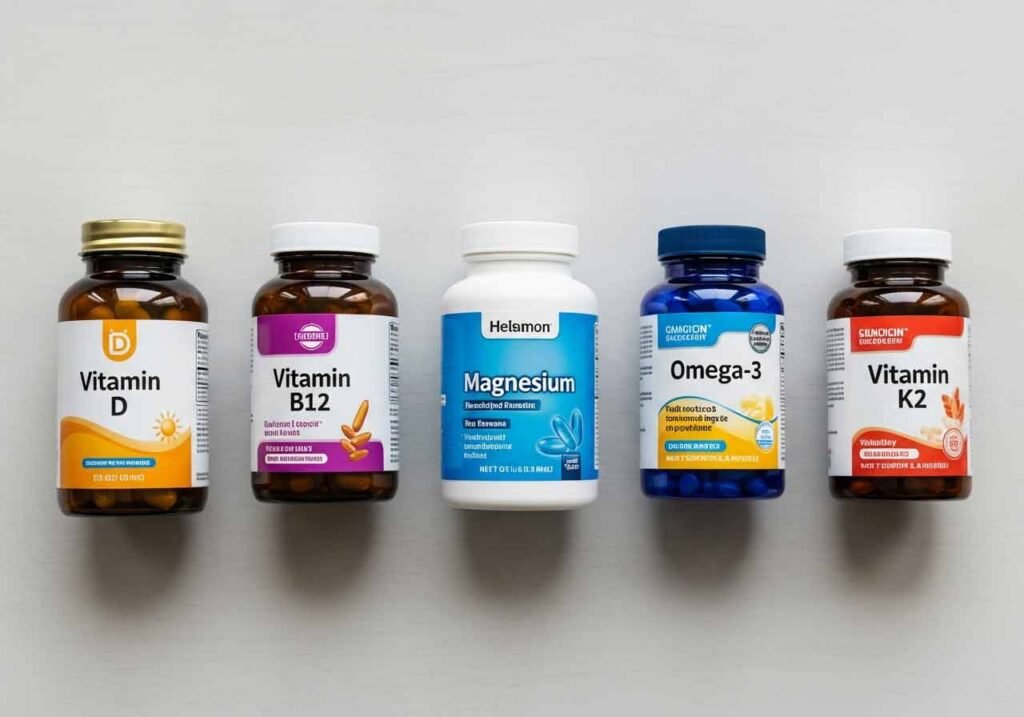
The 5 Most Important Vitamins for Men Over 40
1. Vitamin D: For Bone Density and Testosterone
Why It Matters After 40: Vitamin D plays a crucial role in maintaining bone strength and supporting healthy testosterone levels. As you age, your skin becomes less efficient at producing vitamin D from sunlight, and low levels are linked to fatigue, mood changes, and weakened bones.
Signs of Deficiency:
- Frequent fatigue or weakness
- Bone pain or fractures
- Mood changes or depression
- Reduced muscle strength
Best Food Sources:
- Fatty fish (salmon, mackerel, sardines)
- Egg yolks
- Fortified dairy or plant-based milk
- Mushrooms exposed to UV light
Supplement Note: Many men over 40 benefit from 1,000-2,000 IU daily, but testing your levels first is ideal.
“Aging is not lost youth but a new stage of opportunity and strength.” — Betty Friedan
2. Vitamin B12: For Energy and Brain Health
Why It Matters After 40: B12 is essential for energy production, nerve function, and red blood cell formation. After 40, stomach acid decreases, making it harder to absorb B12 from food. Low levels can lead to fatigue, brain fog, and even nerve damage over time.
Signs of Deficiency:
- Persistent tiredness or weakness
- Memory problems or difficulty concentrating
- Tingling in hands or feet
- Pale or jaundiced skin
Best Food Sources:
- Lean beef and liver
- Chicken and turkey
- Fish and shellfish
- Fortified cereals
- Dairy products
Supplement Note: Consider a B-complex or standalone B12 supplement if you follow a plant-based diet or have absorption issues.
"Aging is not lost youth but a new stage of opportunity and strength." — Betty Friedan
3. Magnesium: For Heart Health and Sleep
Why It Matters After 40: Magnesium supports over 300 biochemical reactions in your body, including heart rhythm, blood pressure regulation, and muscle relaxation. It’s especially important for cardiovascular health and quality sleep—both critical concerns as you age.
Signs of Deficiency:
- Muscle cramps or spasms
- Poor sleep quality
- High blood pressure
- Irregular heartbeat
- Anxiety or irritability
Best Food Sources:
- Dark leafy greens (spinach, kale)
- Nuts and seeds (almonds, pumpkin seeds)
- Whole grains
- Black beans and legumes
- Dark chocolate (70% cocoa or higher)
Supplement Note: If supplementing, magnesium glycinate is well-absorbed and gentle on digestion.
4. Omega-3 Fatty Acids: For Heart and Brain Function
Why It Matters After 40: While technically not a vitamin, omega-3s are essential fatty acids that reduce inflammation, support heart health, and protect cognitive function. Men over 40 face increased cardiovascular risk, making omega-3s particularly valuable.
Signs of Deficiency:
- Dry, flaky skin
- Joint stiffness or pain
- Poor concentration
- Mood swings or depression
- Increased cholesterol levels
Best Food Sources:
- Fatty fish (salmon, sardines, herring)
- Walnuts
- Flaxseeds and chia seeds
- Algae-based supplements (for vegetarians)
Supplement Note: Aim for 1,000-2,000 mg of combined EPA and DHA daily if you don’t eat fish regularly.
“Take care of your body. It’s the only place you have to live.” — Jim Rohn
5. Vitamin K2: For Bone and Cardiovascular Health
Why It Matters After 40: Vitamin K2 works synergistically with vitamin D to direct calcium to your bones rather than your arteries. This dual action strengthens bones while protecting heart health—crucial as osteoporosis and arterial calcification risks rise with age.
Signs of Deficiency:
- Easy bruising or bleeding
- Weak bones or increased fracture risk
- Dental problems
- Arterial stiffness
Best Food Sources:
- Fermented foods (natto, sauerkraut, kimchi)
- Grass-fed butter and cheese
- Egg yolks
- Chicken liver
Supplement Note: K2 (specifically MK-7 form) is often paired with vitamin D3 for optimal absorption.

How to Get These Vitamins: Food vs. Supplements
Food First Approach: Whole foods provide vitamins alongside other beneficial nutrients like fiber, antioxidants, and phytonutrients. Aim to build your diet around nutrient-dense options before turning to supplements.
When Supplements Help: Consider supplements if you have dietary restrictions, absorption issues, confirmed deficiencies, or simply can’t meet your needs through food alone. Quality matters—look for third-party tested brands.
When to See Your Healthcare Provider
Schedule a checkup if you experience:
- Persistent fatigue despite adequate sleep
- Unexplained weight changes
- Memory or concentration problems
- Bone or joint pain
- Mood changes or depression
Your doctor can run blood tests to identify specific deficiencies and recommend appropriate dosages.
Final Thoughts on Vitamins for Men Over 40
Aging well isn’t about fighting the clock—it’s about giving your body what it needs to thrive at every stage. These five vitamins form the foundation of healthy aging for men over 40, supporting everything from energy and testosterone to heart health and bone strength.
Start with whole foods, consider strategic supplementation when needed, and work with your healthcare provider to create a plan that’s right for you. Your 40s, 50s, and beyond can be some of your healthiest, most vibrant years yet.
Disclaimer: This article is for informational purposes only and is not intended as medical advice. Always consult with a qualified healthcare provider before starting any new supplement regimen, especially if you have existing health conditions or take medications.
What vitamins have made the biggest difference in your health? Share your experience in the comments below!





I love reading your blogs! Thanks so much for the tips both in the blog and on your YouTube channel. As a new Interior Design student, I find them to be incredibly helpful, interesting, and inspirational. Keep up the great work!
I am really impressed by the way you are doing business and I am just inspired by it!
Great tips! I’ve just discovered your Youtube channel, and I love it! Thanks for sharing your content and the day and life of a designer.