Introduction: From Biohacking to Mainstream Medicine
The wellness landscape has undergone a seismic shift. What was once relegated to Silicon Valley biohackers experimenting in their garages has now entered medical spas, longevity clinics, and mainstream health conversations. At the forefront of this revolution is cellular health optimization—a fundamentally different approach to aging that focuses not on adding years to life, but on optimizing how our cells function at the molecular level.
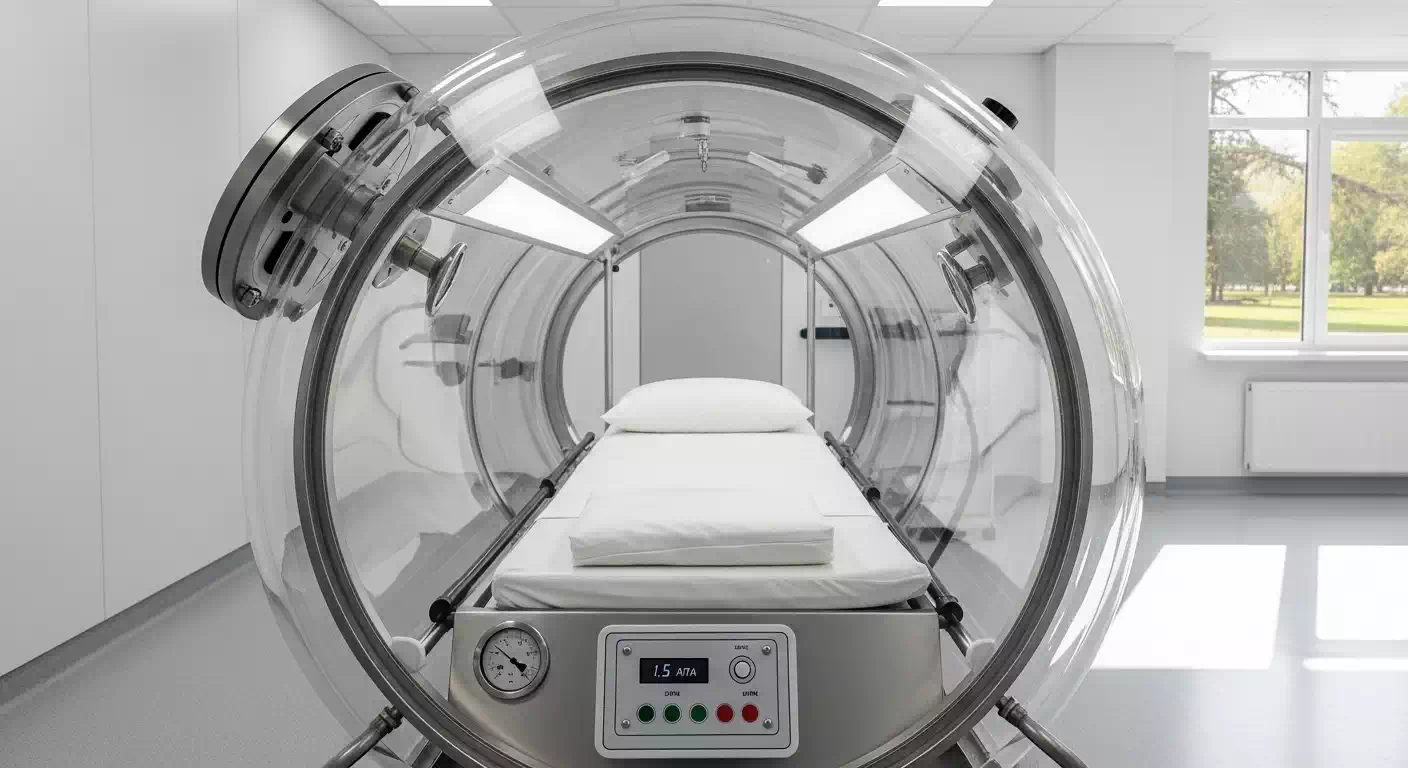
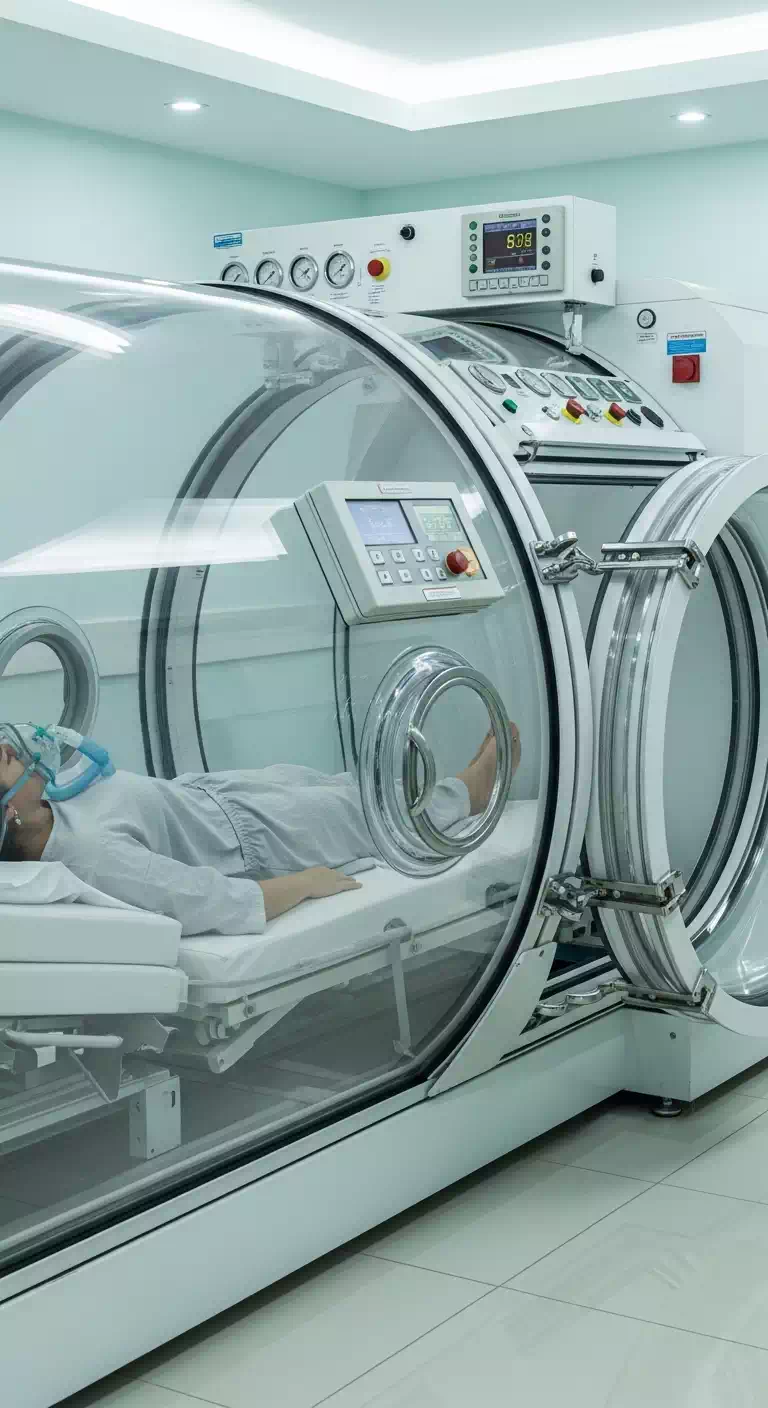
In 2026, two treatments have captured particular attention: NAD+ infusions and hyperbaric oxygen therapy. Celebrities, athletes, and health enthusiasts alike are investing thousands in these interventions, betting on science that promises to restore cellular vitality. But beneath the marketing hype lies a more complex story—one of promising research, legitimate medical applications, and significant unknowns.
Understanding Cellular Health: The Foundation of Longevity
What Is Cellular Health?
Every process in your body—from breathing to thinking—depends on the health of your cells. Cellular health refers to the optimal functioning of the roughly 37 trillion cells that make up the human body. When cells function properly, they:
- Generate energy efficiently through mitochondria
- Repair DNA damage
- Remove cellular waste
- Communicate effectively with other cells
- Reproduce without errors
As we age, cellular function declines. Mitochondria become less efficient, DNA repair mechanisms slow down, and waste products accumulate. This cellular aging is now understood to be a primary driver of the diseases we associate with getting older: cardiovascular disease, neurodegeneration, metabolic dysfunction, and more.
The NAD+ Connection
Nicotinamide adenine dinucleotide, known as NAD+, is a coenzyme found in every living cell. Think of it as cellular currency—your cells need it to convert food into usable energy. NAD+ plays crucial roles in hundreds of metabolic reactions, including energy production, DNA repair, and gene expression.
The challenge? NAD+ levels decline significantly with age. Research shows drops of 10-25% in brain tissue and up to 50% in some organs between young adulthood and middle age. This decline correlates with many age-related health issues, leading researchers to investigate whether restoring NAD+ levels could slow or reverse aspects of aging.

NAD+ Therapy: The Controversy and the Science
The Promise
NAD+ therapy comes in several forms: oral supplements (typically precursors like NR or NMN), intramuscular injections, and intravenous infusions. Proponents claim these treatments can:
- Boost energy levels and reduce fatigue
- Enhance cognitive function and mental clarity
- Support cellular repair and DNA maintenance
- Improve metabolic function
- Slow aging at the cellular level
The appeal is undeniable. In our energy-depleted, cognitively overloaded modern world, who wouldn’t want a cellular reset button?
The Reality Check
Despite the enthusiasm, the scientific picture remains incomplete. Here’s what research actually shows:
What We Know:
- Oral NAD+ precursors (like nicotinamide riboside) can increase blood NAD+ levels by 40-90% in humans
- Studies show these supplements are generally well-tolerated, with side effects typically limited to nausea, fatigue, or headaches
- Some research suggests benefits for specific conditions, including improvements in muscle insulin sensitivity and modest cognitive benefits in long COVID patients
"From fair to deeper skin tones, a chocolate liner and lipstick can make a bold, powerful statement."
What We Don’t Know:
- Whether increased blood NAD+ translates to meaningful increases in cellular NAD+ where it matters most
- If raising NAD+ levels actually extends human lifespan or prevents age-related diseases
- The long-term safety profile of chronic NAD+ supplementation
- Optimal dosing protocols and delivery methods
The IV Infusion Debate
NAD+ IV infusions have become particularly controversial. These sessions can last 2-6 hours and cost upwards of $1,000 per treatment. Yet experts raise serious concerns:
The Science Problem: Research suggests that directly infused NAD+ is rapidly cleared from the body with minimal tissue uptake. Studies show that plasma NAD+ levels don’t begin rising until two hours into a six-hour infusion, with increased urinary excretion suggesting the body is simply flushing it out.
Expert Skepticism: Dr. Eric Verdin, president and CEO of the Buck Institute for Research on Aging, has called IV NAD+ administration “silly in very plain words,” suggesting benefits may be largely placebo effect. Dr. Michael Sagner of King’s College London described direct NAD+ injection as “completely idiotic from a biochemistry point of view” since NAD+ cannot easily cross cell membranes.
The FDA Position: Neither NAD+ IV therapy nor supplements are FDA-approved to treat or prevent any disease. The FDA has even reclassified NMN as a drug rather than a dietary supplement, requiring additional safety testing.
The Better Alternative?
Most longevity experts recommend oral NAD+ precursors over IV infusions if supplementation is appropriate. These precursors—nicotinamide riboside (NR) and nicotinamide mononucleotide (NMN)—provide the building blocks for your body to produce its own NAD+. Research suggests they may be more effective and certainly carry fewer risks than IV administration.
However, supplementation isn’t for everyone. Experts typically recommend NAD+ precursors primarily for people experiencing:
- Age-related energy decline (typically 40+)
- Brain fog or cognitive difficulties
- Long COVID symptoms
- Specific mitochondrial dysfunction disorders
Conclusion: Proceed with Informed Optimism
The cellular health revolution represents both exciting possibility and cautionary tale. On one hand, we’re gaining unprecedented insights into cellular aging and developing interventions that target fundamental aging processes. On the other, marketing has outpaced science, creating confusion and potentially dangerous expectations.
The key is informed optimism: staying open to promising developments while maintaining healthy skepticism about claims that outstrip evidence. For most people, the path to optimal cellular health still runs through unsexy but effective fundamentals—exercise, nutrition, sleep, and stress management. These interventions have the strongest evidence, the best safety profiles, and cost a fraction of trendy treatments.
That said, for specific individuals with particular health concerns, cellular interventions like NAD+ supplementation or HBOT may offer genuine benefits. The difference between a wise investment and an expensive mistake lies in approaching these treatments thoughtfully, with proper medical guidance, realistic expectations, and attention to the evolving scientific evidence.
As we move deeper into the age of longevity medicine, the ultimate goal remains not just living longer, but maintaining the cellular health that makes those extra years worth living.
Additional Resources
Learn More:
- National Institute on Aging – Biology of Aging
- Undersea and Hyperbaric Medical Society
- Buck Institute for Research on Aging
- NIH National Center for Complementary and Integrative Health
Disclaimer: The information provided is for educational purposes only and should not be considered medical advice. Consult with healthcare professionals before starting any new treatment regimen.





I love reading your blogs! Thanks so much for the tips both in the blog and on your YouTube channel. As a new Interior Design student, I find them to be incredibly helpful, interesting, and inspirational. Keep up the great work!
Great tips! I’ve just discovered your Youtube channel, and I love it! Thanks for sharing your content and the day and life of a designer.
I am really impressed by the way you are doing business and I am just inspired by it!