

The average person spends roughly one-third of their life sleeping, yet many women overlook the importance of quality sleepwear. In 2026, the conversation around sleep wellness has evolved beyond mattresses and room temperature to include what we wear to bed. Whether you’re investing in your first premium pajama set or upgrading your nighttime wardrobe, understanding what makes quality sleepwear worth the investment can transform your sleep experience.
The Science Behind Quality Sleepwear
Quality pajamas do more than look good. They play a crucial role in thermoregulation, the process by which your body maintains its optimal temperature throughout the night. Research continues to show that body temperature significantly affects sleep quality, with even minor fluctuations potentially disrupting your rest cycle.
The right sleepwear facilitates this natural cooling process. When you fall asleep, your core body temperature drops by about one to two degrees. Fabrics that breathe well and wick moisture away from your skin support this biological necessity, while synthetic materials or poorly designed pajamas can trap heat and cause night sweats, leading to restless sleep and frequent waking.
What Makes Pajamas “Quality”?
Not all pajamas are created equal. Several factors distinguish premium sleepwear from basic options:
Fabric quality stands as the most important consideration. Natural fibers like long-staple cotton, silk, bamboo viscose, and modal offer superior breathability compared to polyester blends. These materials allow air to circulate freely while managing moisture effectively.
Construction and stitching separate well-made pajamas from fast-fashion alternatives. French seams, reinforced stress points, and quality thread ensure your sleepwear withstands hundreds of washes without pilling, fading, or losing shape. The initial investment pays dividends when your pajamas remain comfortable and attractive for years.
Fit and design matter more than many realize. Pajamas should allow full range of motion without binding or bunching. Elastic waistbands should be snug but never restrictive, and sleeve lengths should accommodate movement during sleep. The 2026 trend toward inclusive sizing means more women can find sleepwear that truly fits their body type.
Chemical-free processing has become increasingly important. Quality brands now offer OEKO-TEX certified fabrics, ensuring no harmful chemicals touch your skin throughout the night. Given how much time you spend in pajamas and how permeable skin is, this consideration shouldn’t be overlooked.
Best Fabric Types for Women’s Pajamas
Cotton
Egyptian and Pima cotton remain gold standards for pajamas. These long-staple varieties create exceptionally soft, durable fabrics that breathe beautifully. Cotton naturally wicks moisture, making it ideal for hot sleepers or warm climates. The fabric softens with each wash, becoming more comfortable over time rather than deteriorating.
Cotton pajamas work well year-round but truly excel in spring and summer. Look for percale weaves for crisp, cool comfort or sateen finishes for a silkier hand feel.
Silk
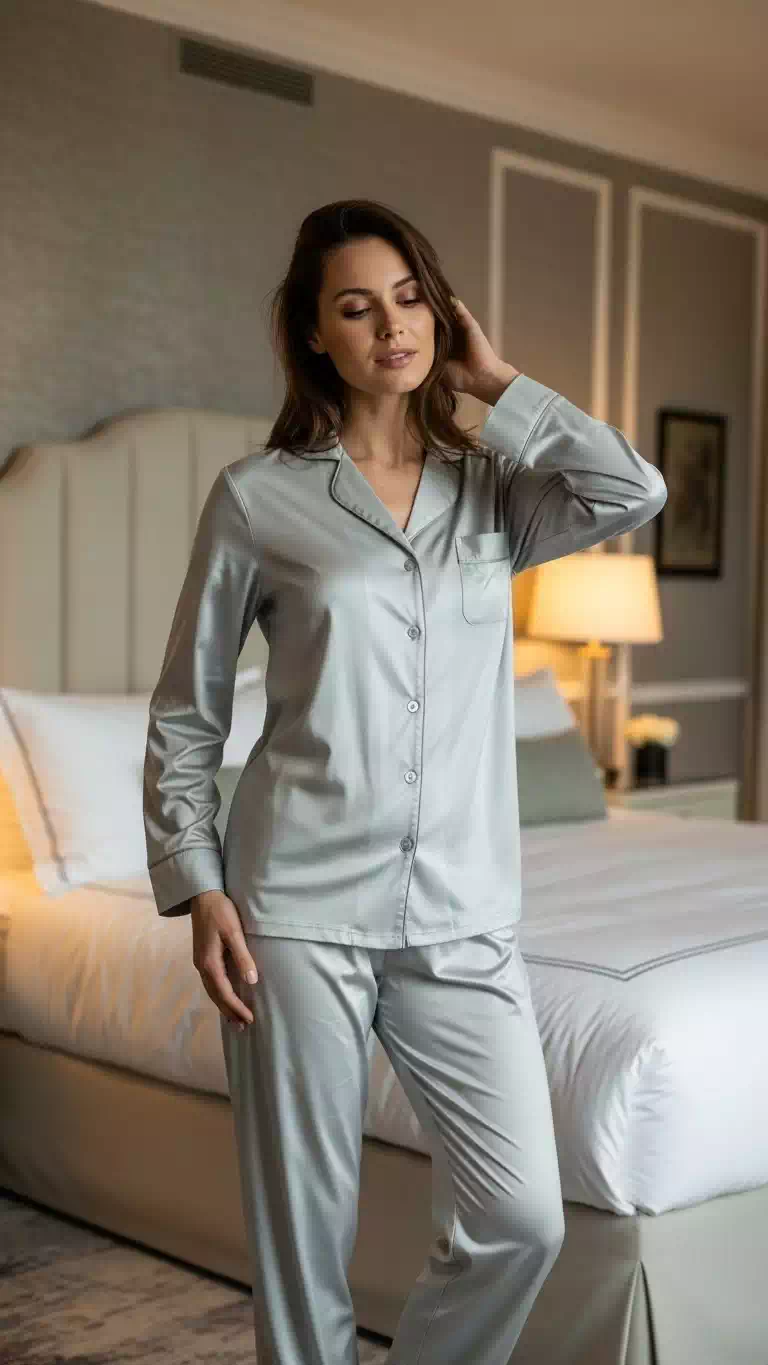
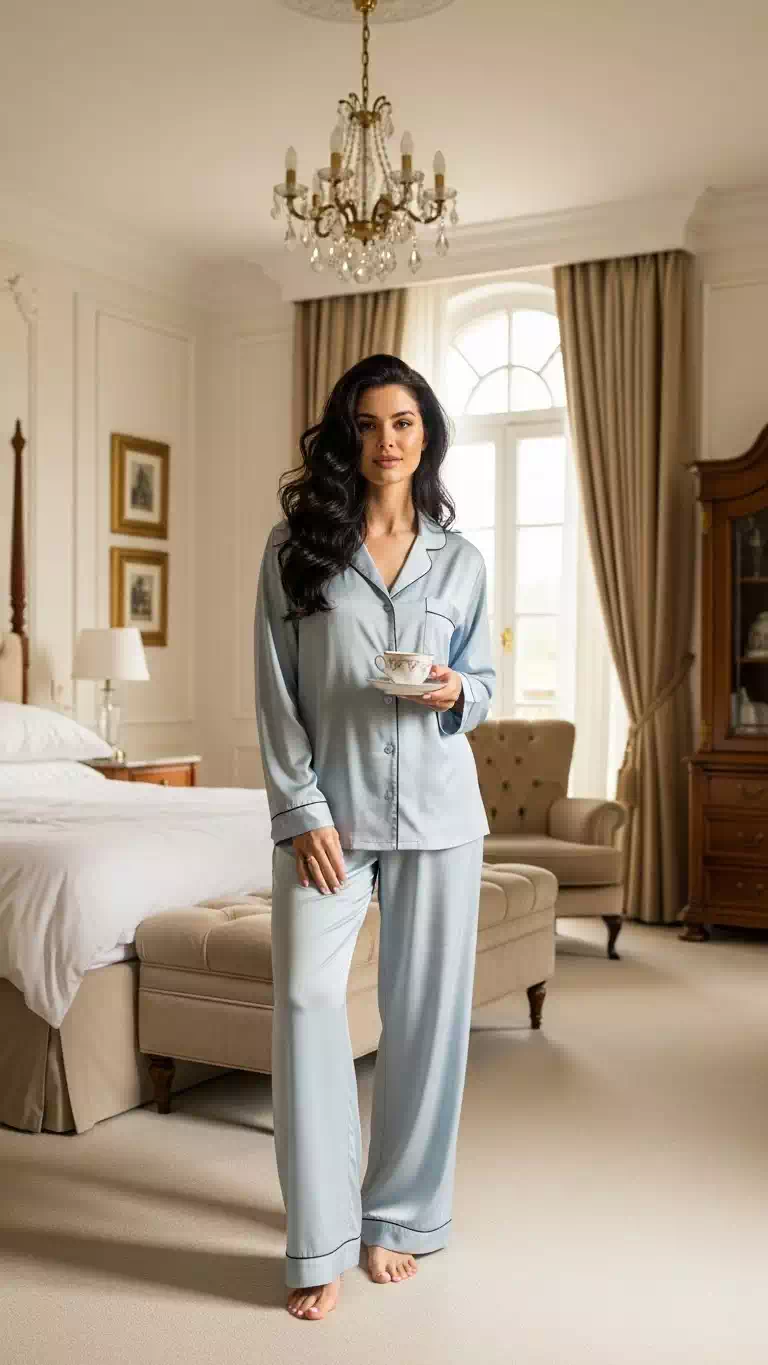
Real silk pajamas represent luxury sleepwear at its finest. Silk’s natural protein structure makes it hypoallergenic and gentle on sensitive skin. The fabric naturally regulates temperature, keeping you cool in summer and surprisingly warm in winter. Silk’s smooth surface also reduces friction against skin and hair, potentially minimizing wrinkles and bedhead.
While silk requires more careful laundering than cotton, many women find the investment worthwhile for the unparalleled comfort and elegant drape.


"A comfy pair of pajamas for women is a good night’s sleep staple."
Bamboo Viscose
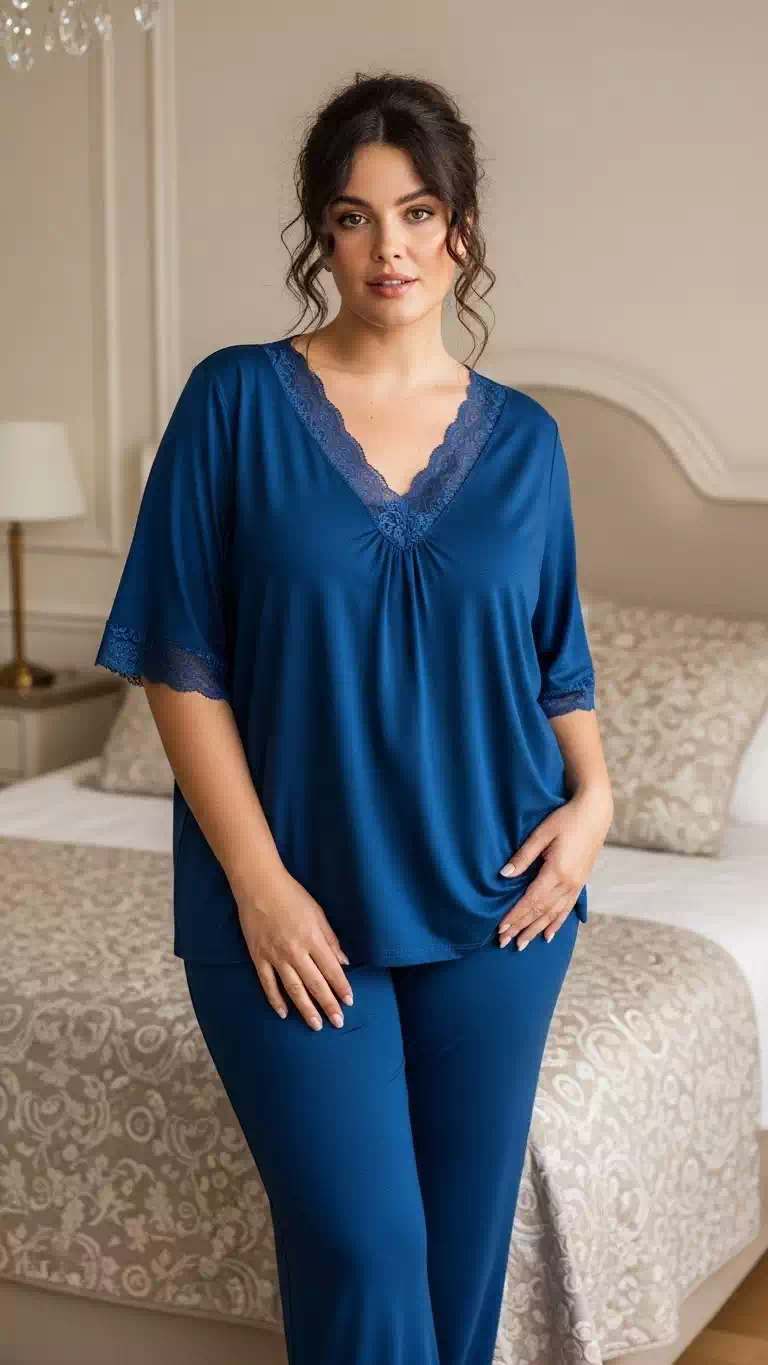
Bamboo-derived fabrics have gained significant popularity in recent years, and for good reason. Bamboo viscose offers silky softness comparable to high-end modal while providing excellent moisture-wicking properties. The fabric naturally resists odor and feels cool against the skin.
Sustainability-conscious consumers appreciate bamboo’s rapid growth and minimal resource requirements, though it’s worth noting that the viscose processing method does involve chemicals.


Modal
Made from beechwood pulp, modal creates incredibly soft, breathable fabric that resists shrinking and fading better than cotton. Modal pajamas maintain their shape and color through countless wash cycles. The fabric drapes beautifully and has a subtle sheen that reads as premium.
Many brands now blend modal with other fibers like spandex for slight stretch, creating pajamas that move with your body throughout the night.






Great tips! I’ve just discovered your Youtube channel, and I love it! Thanks for sharing your content and the day and life of a designer.
As a new Design student, I find your tips to be incredibly helpful, interesting, and inspirational. Keep up the great work! Thanks so much for your work both in the blog and on your YouTube channel.
I’ve just discovered your Youtube channel, and I love it! Thanks for sharing your content and the day and life of a designer! Great tips!