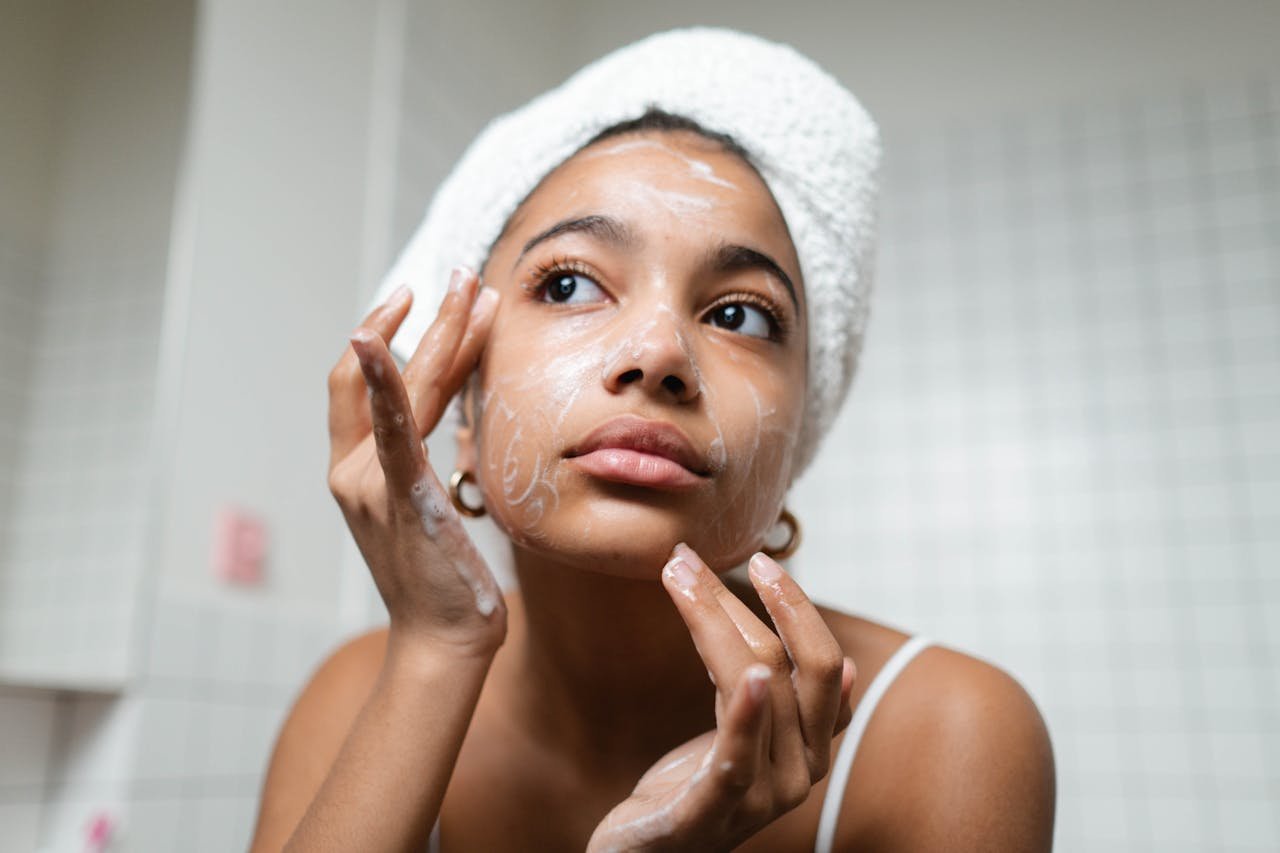

Winter brings cozy sweaters and hot cocoa, but it also brings harsh conditions that can wreak havoc on your skin. Cold air, low humidity, and indoor heating create the perfect storm for dry, flaky, and irritated skin. The good news? With the right winter skincare routine, you can maintain healthy, glowing skin all season long.
Why Winter Is So Hard on Your Skin
During winter months, humidity levels drop significantly both outdoors and indoors. Cold air holds less moisture than warm air, and when you add heated indoor environments into the mix, your skin loses moisture rapidly. This leads to dehydration, tightness, redness, and increased sensitivity.
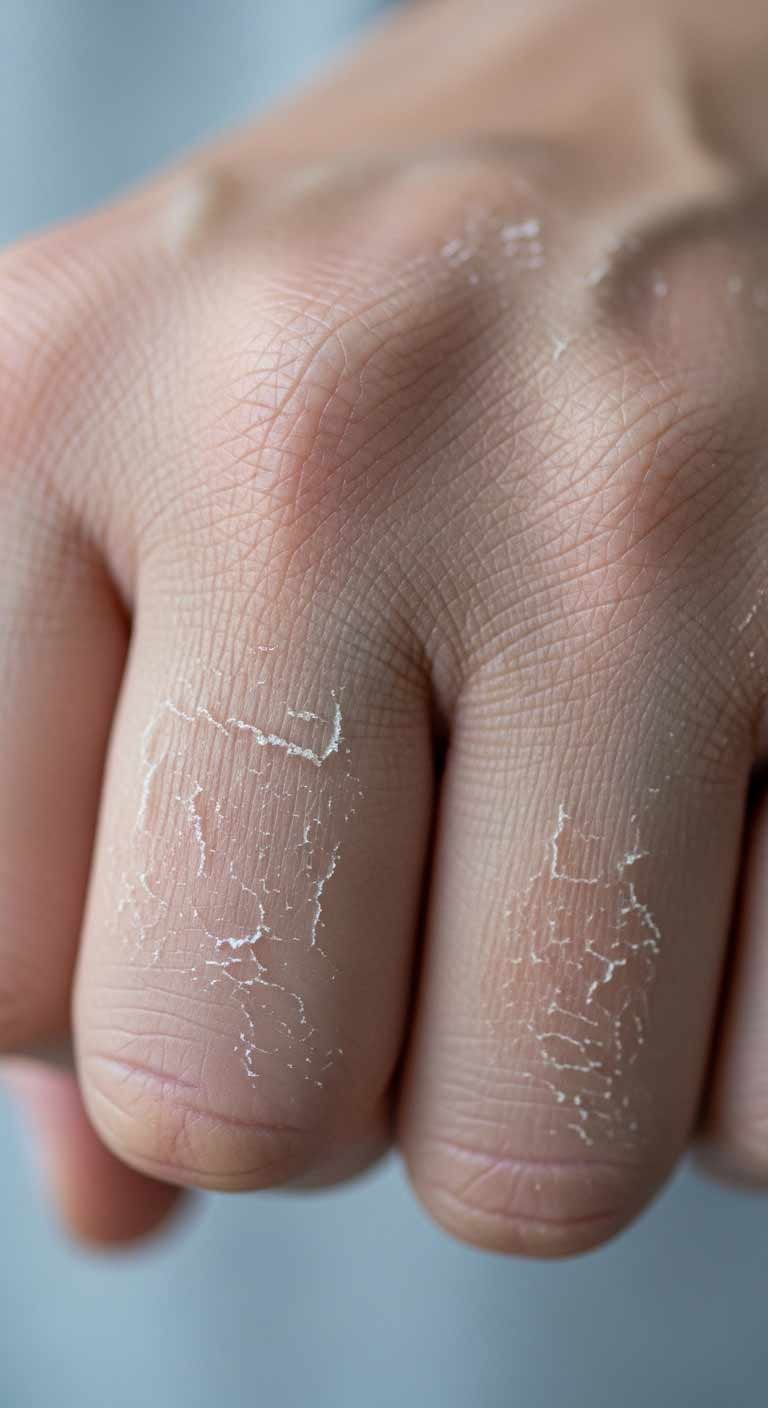
The skin’s natural barrier can become compromised in winter, making it harder to retain moisture and protect against environmental stressors. Without proper care, you may experience:
- Persistent dryness and flaking
- Rough, tight-feeling skin
- Increased redness and irritation
- Chapped lips
- Cracked hands and feet
- Dull, lackluster complexion

Essential Winter Skincare Tips
1. Switch to a Gentler Cleanser
Harsh, foaming cleansers can strip your skin of essential oils during winter. Opt for cream-based or oil-based cleansers that clean effectively without over-drying. Look for ingredients like glycerin, ceramides, and hyaluronic acid that help maintain your skin’s moisture barrier.
2. Layer on the Hydration
Winter is the time to embrace a multi-step hydration approach. After cleansing, apply a hydrating serum or essence while your skin is still slightly damp. This helps lock in moisture. Follow with a richer moisturizer than you’d use in summer—think creams over lotions. For extra dry skin, consider adding a facial oil or overnight sleeping mask.
3. Don’t Skip the Sunscreen
UV rays don’t take a winter vacation. Snow can even reflect up to 80% of UV rays, increasing your exposure. Apply a broad-spectrum SPF 30 or higher daily, especially if you’ll be outdoors or near windows.
4. Humidify Your Environment
Combat dry indoor air by using a humidifier in your bedroom and office. Aim for 30-50% humidity to help your skin retain moisture while you sleep and work.
5. Adjust Your Exfoliation Routine
While exfoliation is important for removing dead skin cells, over-exfoliating in winter can damage your skin barrier. Reduce frequency to 1-2 times per week and choose gentle chemical exfoliants (like lactic acid or PHAs) over harsh physical scrubs.
6. Protect Your Hands and Lips
These areas are particularly vulnerable in winter. Keep a rich hand cream with you at all times and reapply after washing hands. Use a nourishing lip balm with ingredients like shea butter, beeswax, or lanolin throughout the day.
7. Take Shorter, Cooler Showers
Hot water feels amazing on cold days, but it strips your skin of natural oils. Keep showers under 10 minutes and use lukewarm water instead. Apply moisturizer immediately after patting skin dry to seal in hydration.
Key Ingredients for Winter Skincare
When shopping for winter skincare products, look for these powerhouse ingredients:
Hyaluronic acid attracts and holds up to 1,000 times its weight in water, providing intense hydration without heaviness.
Ceramides repair and strengthen the skin barrier, preventing moisture loss and protecting against irritants.
Glycerin is a humectant that draws moisture from the air into your skin and helps maintain hydration.
Niacinamide reduces inflammation, strengthens the skin barrier, and helps improve skin texture.
Squalane mimics your skin’s natural oils and provides lightweight, non-greasy moisture.
Shea butter and plant oils offer rich, emollient hydration for very dry skin.
"Beautiful skin requires commitment, not a miracle. Winter is when that commitment matters most."
When to See a Dermatologist
If you’re experiencing severe dryness, persistent redness, cracking, bleeding, or itching that doesn’t improve with proper skincare, consult a dermatologist. These could be signs of eczema, psoriasis, or other skin conditions that require professional treatment.
The Bottom Line
Winter skincare doesn’t have to be complicated. By making a few simple adjustments—using gentler products, layering hydration, protecting your skin from the elements, and maintaining humidity—you can keep your skin healthy, comfortable, and glowing throughout the coldest months. Listen to your skin’s needs and don’t be afraid to go richer and more nourishing with your products when temperatures drop.
Your skin will thank you when spring arrives and you’re still sporting a healthy, radiant complexion.