

You’ve heard of aging. You’ve heard of inflammation. But have you heard of inflamm-aging — the slow-burning, silent process that sits at the intersection of both, quietly accelerating your body’s decline?
If not, you’re not alone. It’s one of the most important concepts in modern aging science, yet most people have never encountered the term. In the next five minutes, you’ll understand exactly what it is, why it matters, and — most importantly — what you can do about it today.
What Exactly Is Inflamm-Aging?
Inflamm-aging (also written as inflammaging) refers to the low-grade, chronic, systemic inflammation that gradually increases as we age — even in the absence of infection or injury. The term was first coined by researcher Claudio Franceschi in 2000 and has since become one of the most studied phenomena in geroscience (the science of aging).
Unlike the acute inflammation you experience when you cut your finger or fight off a cold — which spikes quickly and resolves — inflamm-aging is a persistent, smoldering state that never fully switches off. This subtle but chronic low-grade inflammation is characteristic of increasing age, and scientists fittingly call it “inflamm-aging.” Center for Healthy Aging
Think of it like a pilot light that’s always on. Over years and decades, that constant heat quietly damages your cells, tissues, and organs.
Why Does It Happen?
Several biological changes drive inflamm-aging as we get older:
1. Cellular Senescence As cells age, they stop dividing but don’t die off cleanly. Instead, they linger and release a cocktail of inflammatory signals known as the Senescence-Associated Secretory Phenotype (SASP). Factors secreted by these senescent cells promote chronic inflammation and can even induce senescence in nearby healthy cells — creating a vicious cycle of inflammation and cellular aging. Nature
2. Immune System Decline (Immunosenescence) Aging entails changes in the immune system characterized by a decrease in immune output, accumulated chronic stress, and immune cell senescence — all of which contribute to the low-grade chronic inflammation known as inflamm-aging. PubMed Central
3. Mitochondrial Dysfunction Recent research from the University of Virginia identified a particularly striking mechanism. Researchers found that as we age, mitochondria in immune cells called macrophages lose their ability to take up and use calcium — leading to chronic inflammation responsible for many of the ailments that come with getting older. University of Virginia News
4. Gut Dysbiosis An aging, imbalanced gut microbiome also plays a role. Changes in the diversity and composition of gut bacteria contribute to systemic inflammatory signals that fuel the inflamm-aging process.
What Does Inflamm-Aging Actually Do to Your Body?
This is where it gets serious. Inflamm-aging isn’t just a theoretical concern — it has real, measurable consequences. Chronic inflammation contributes to the development of conditions such as cardiovascular disease, cancer, type 2 diabetes, dementia, osteoporosis, sarcopenia (muscle loss), chronic kidney disease, and depression. PubMed Central
In the United States, about 80% of adults over the age of 65 have at least one chronic disease, and 50% have at least two — and inflamm-aging is increasingly recognized as a key driver behind this burden. Center for Healthy Aging
In short: controlling inflamm-aging may be one of the most powerful levers you have for living a longer, healthier life.
7 Science-Backed Ways to Prevent Inflamm-Aging
The encouraging news? You’re not powerless here. Inflammation can be reduced through non-pharmacological interventions such as diet and exercise, suggesting that a life course approach based on healthy habits is a meaningful strategy. PubMed
Here’s what the science says actually works:
1. Move Your Body — Consistently
Exercise is arguably the single most powerful anti-inflamm-aging tool available. Research found that when older adults maintained a regular exercise regimen throughout their lives, they had a better likelihood of preventing or delaying inflamm-aging — suggesting exercise can serve as a natural countermeasure. Center for Healthy Aging
Both aerobic exercise (walking, cycling, swimming) and resistance training help reduce inflammatory markers like C-reactive protein (CRP) and interleukin-6 (IL-6). Aim for at least 150 minutes of moderate activity per week, with 2–3 sessions of strength training. Learn more about exercise and healthy aging via the National Institute on Aging.
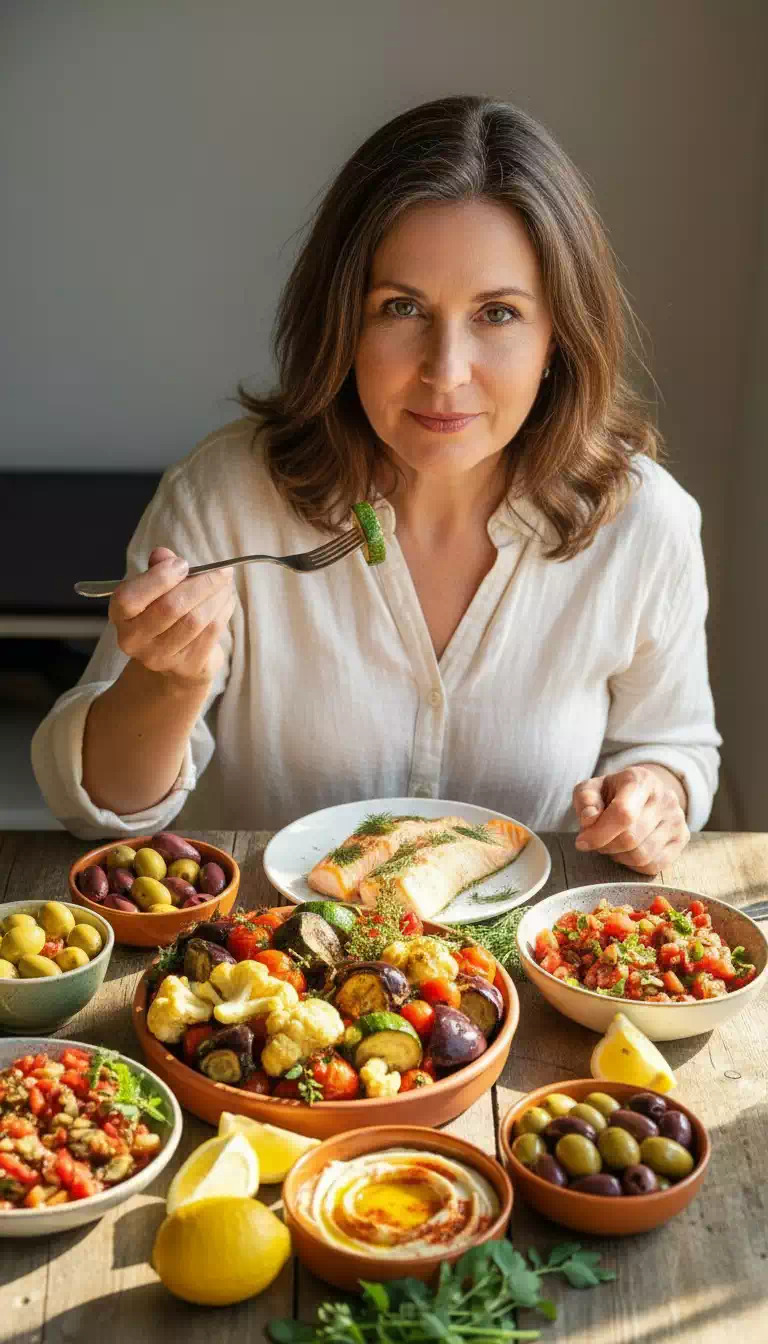
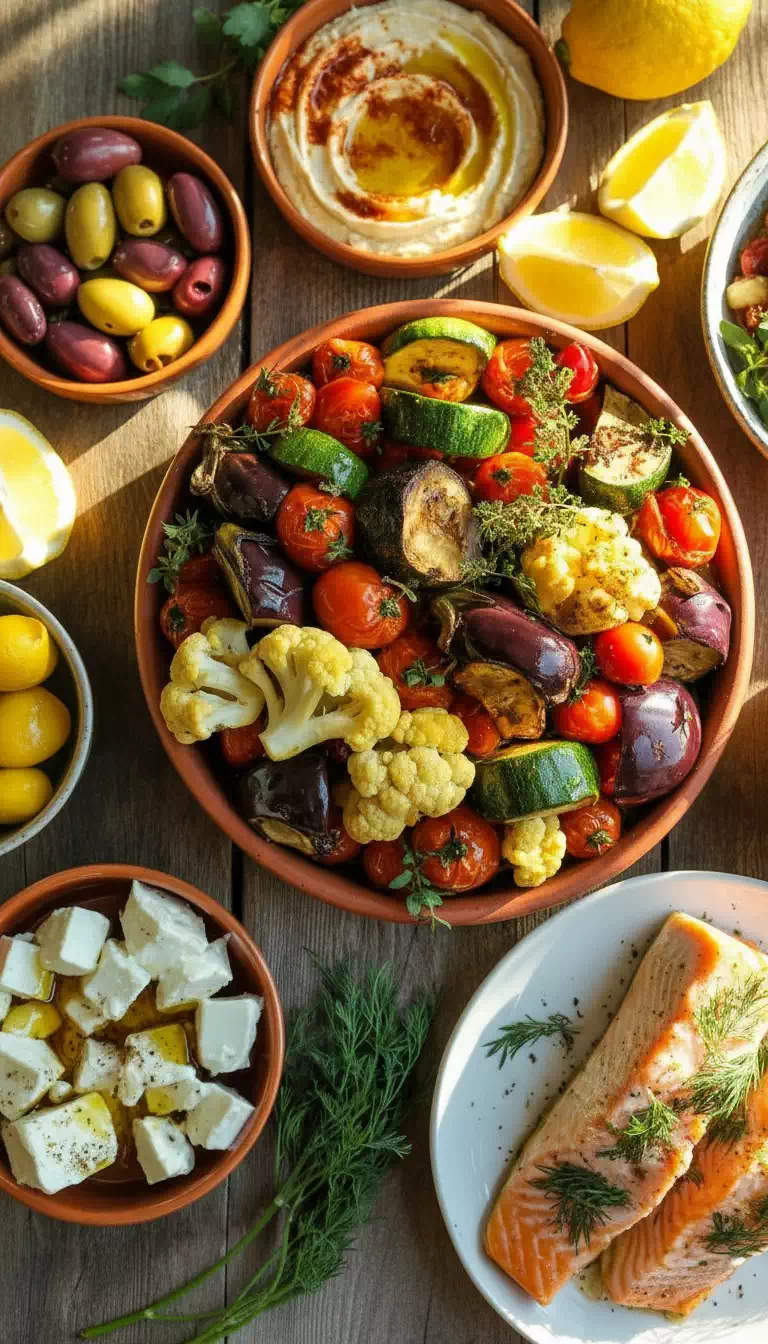

2. Adopt an Anti-Inflammatory Diet
Food is one of your most direct lines of defense against chronic inflammation. A diet high in processed foods, refined sugars, and trans fats feeds the inflammatory fire. An anti-inflammatory diet douses it.
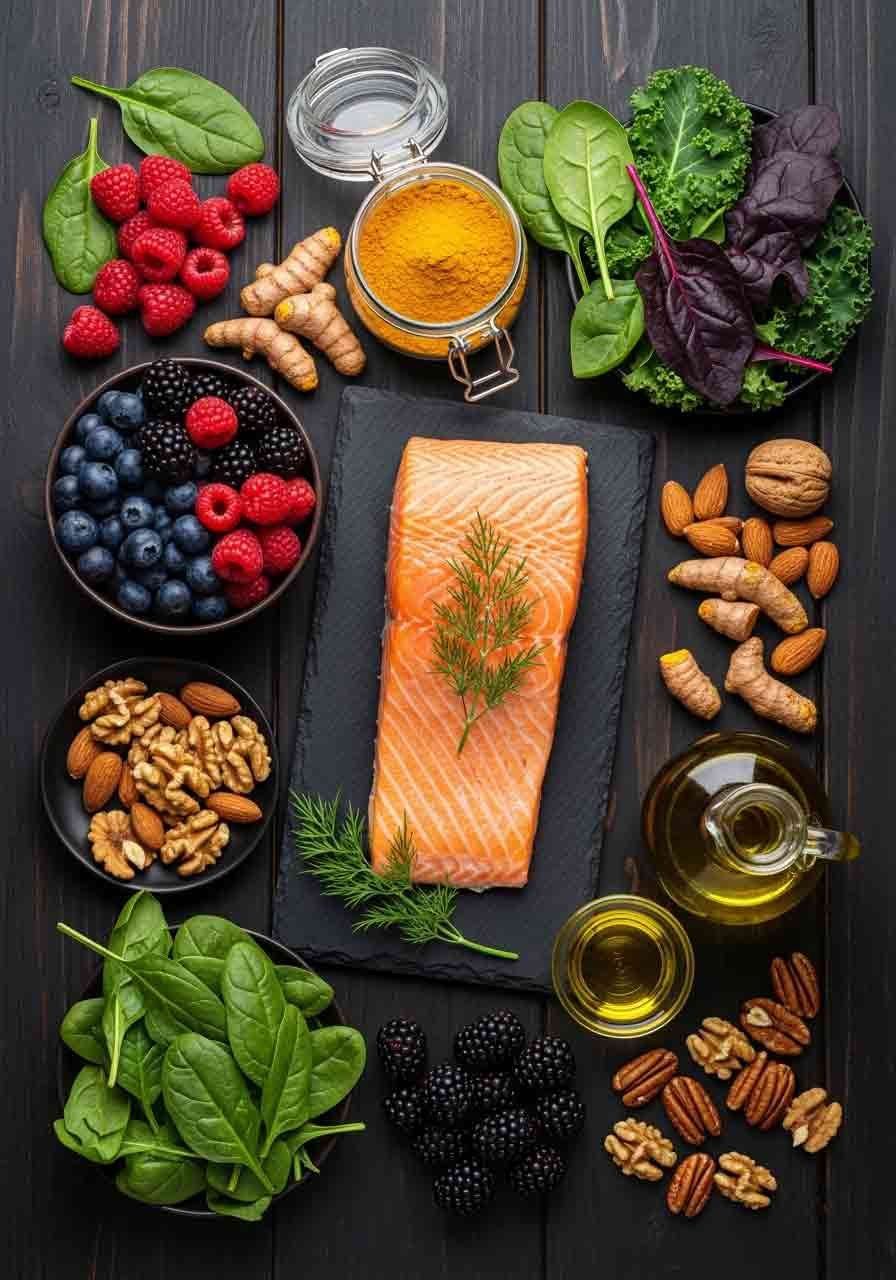
Best foods to fight inflamm-aging:
- Fatty fish (salmon, sardines, mackerel) — rich in omega-3 fatty acids
- Leafy greens (spinach, kale, arugula) — packed with antioxidants
- Berries — blueberries, strawberries, and raspberries contain powerful polyphenols
- Extra virgin olive oil — a cornerstone of the Mediterranean diet
- Turmeric and ginger — natural anti-inflammatory compounds
- Nuts and seeds — especially walnuts and flaxseeds
A diet with sufficient antioxidants improves immune function, reduces oxidative stress, and may even prolong lifespan — supporting the notion that the inflammatory response of immune cells plays a central role in the inflamm-aging process. PubMed Central
The Harvard T.H. Chan School of Public Health provides an excellent overview of anti-inflammatory eating patterns.
3. Prioritize Quality Sleep
Poor sleep is directly linked to elevated inflammatory markers. When you consistently sleep fewer than 7 hours a night, your body’s ability to regulate inflammatory processes breaks down. During deep sleep, your body clears cellular debris, repairs tissues, and resets immune function.
Tips for better sleep:
- Maintain a consistent sleep/wake schedule, even on weekends
- Keep your bedroom cool (65–68°F is optimal)
- Avoid screens for 60 minutes before bed
- Limit alcohol, which disrupts deep sleep cycles
“
"Inflamm-aging doesn't announce itself with pain or fever. It whispers — slowly, silently — through fatigue, disease, and decades lost. The good news? You have the power to turn down the volume.".
4. Manage Chronic Stress
Psychological stress triggers the release of cortisol and other stress hormones that activate inflammatory pathways. Over time, chronic stress essentially acts as a “volume knob” that turns up inflamm-aging.
Mindfulness meditation, breathwork, yoga, time in nature, and even regular social connection have all been shown to lower inflammatory biomarkers. The American Psychological Association offers evidence-based tools for chronic stress management.
5. Support Your Gut Microbiome
Your gut is home to trillions of microorganisms that play a direct role in regulating systemic inflammation. An unhealthy, imbalanced gut microbiome (dysbiosis) is a key driver of inflamm-aging.
What helps:
- Eat fermented foods daily (yogurt, kefir, kimchi, sauerkraut)
- Increase dietary fiber from whole grains, legumes, fruits, and vegetables
- Avoid unnecessary antibiotics when possible
- Consider a high-quality probiotic supplement
6. Avoid Smoking and Limit Alcohol
Both smoking and excessive alcohol consumption are potent activators of inflammatory pathways. Smoking directly damages immune cells and elevates systemic cytokines. Heavy alcohol use disrupts the gut microbiome and impairs the liver’s ability to regulate inflammation.
If you smoke, quitting is the single most impactful thing you can do for your long-term health. Resources are available through Smokefree.gov.
7. Get Regular Health Screenings
One of the best ways to track inflamm-aging is to measure it. Ask your doctor to include inflammatory biomarkers in your routine bloodwork, including:
- C-reactive protein (CRP) — a key marker of systemic inflammation
- Interleukin-6 (IL-6) — elevated in chronic inflamm-aging
- Homocysteine — linked to cardiovascular inflammation
- HbA1c — reflects blood sugar control, a major inflammation driver
Early detection gives you a clear picture of where you stand and what to prioritize. The Cleveland Clinic provides an accessible breakdown of inflammation testing.
What About People Who Age Well — What's Their Secret?
Interestingly, researchers have studied centenarians (people who live to 100+) to understand why some people escape inflamm-aging’s worst effects. Centenarians are considered a model of successful aging because they succeed in preventing or delaying the onset of age-related diseases well beyond average life expectancy — and research suggests they are better able to control inflamm-aging while maintaining adequate immune function. PubMed Central
Their commonalities? Regular physical activity throughout life, plant-rich diets, strong social bonds, low chronic stress, and consistent sleep. Sound familiar? These are the same lifestyle pillars that science keeps pointing back to.
The Bottom Line
Inflamm-aging isn’t inevitable — it’s manageable. The earlier you start addressing it, the better your odds of staying sharp, strong, and healthy into your later decades. You don’t need to overhaul your entire life overnight. Start with one habit from this list, build from there, and let the changes compound over time.
Your future self will thank you.
Disclaimer: This article is for informational purposes only and does not constitute medical advice. Always consult a qualified healthcare provider before making changes to your health or supplement routine.
Article Source: momblogsociety.com
Products: homesnugs.com





I’ve just discovered your Youtube channel, and I love it! Thanks for sharing your content and the day and life of a designer! Great tips!
As a new Interior Design student, I find your tips to be incredibly helpful, interesting, and inspirational. Keep up the great work! Thanks so much for your work both in the blog and on your YouTube channel.
I love reading your blogs and watching your video. I am really impressed by the way you are doing business and I am just inspired by it!